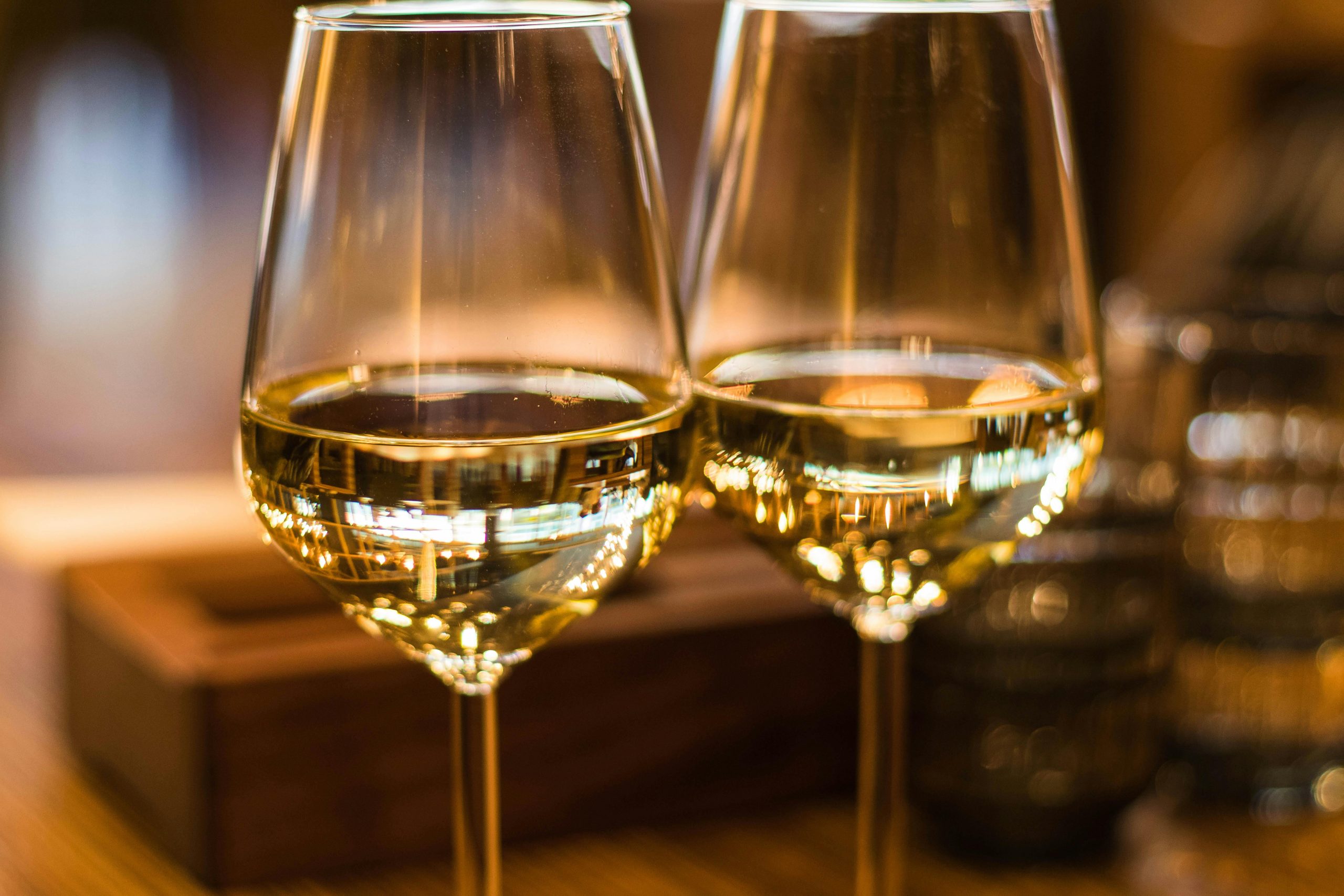
Step into the extraordinary world of best Madeira wine, where history, tradition, and exceptional craftsmanship converge to create one of the most remarkable beverages on earth. Born from volcanic soils and tempered by the Atlantic’s maritime influence, these captivating fortified wines have graced the tables of royalty, inspired revolutionaries, and survived for centuries, sometimes literally, to tell their tale. Unlike any other wine,
Madeira’s deliberate oxidation and heating processes create virtually indestructible elixirs capable of outliving their creators by generations. Whether you’re a curious beginner or a seasoned collector, this journey through Madeira’s finest expressions will reveal why connoisseurs consider these wines among the world’s most profound vinous treasures.

Unveiling the Essence of Madeira Wine
The golden liquid swirling in your glass represents far more than a simple fortified wine—it embodies centuries of innovation, happy accidents, and meticulous craftsmanship. Born on the Portuguese island of Madeira in the Atlantic Ocean, this remarkable beverage owes its unique character to a combination of volcanic terroir, traditional production methods, and an extraordinary aging process that transforms it into liquid history. The island’s wine has captivated connoisseurs worldwide, from European royalty to America’s founding fathers, and continues to represent the pinnacle of fine wine craftsmanship, offering flavors and experiences impossible to replicate anywhere else on earth.
The Rich History of Madeira Wine
The story of Madeira wine blends serendipity and perseverance. Beginning in the 15th century with Prince Henry the Navigator’s vineyards, it evolved during the Age of Exploration when wines accidentally improved on long sea voyages. By the 18th century, it had become celebrated in the American colonies, with George Washington toasting the Declaration of Independence with Madeira. Despite challenges from powdery mildew and the phylloxera epidemic in the 19th century, the tradition endured.
Revival came when the Symington family of Portugal invested in the Madeira Wine Company in the 20th century, rejuvenating this “forgotten island wine.
Understanding Madeira Wine Terroir and Production
The magic of Madeira begins in its dramatic landscape of volcanic mountains and continues through production methods unlike any other in the wine world. These unique conditions and techniques combine to create wines of remarkable complexity and virtually unlimited aging potential.
Grapes and Harvesting Techniques
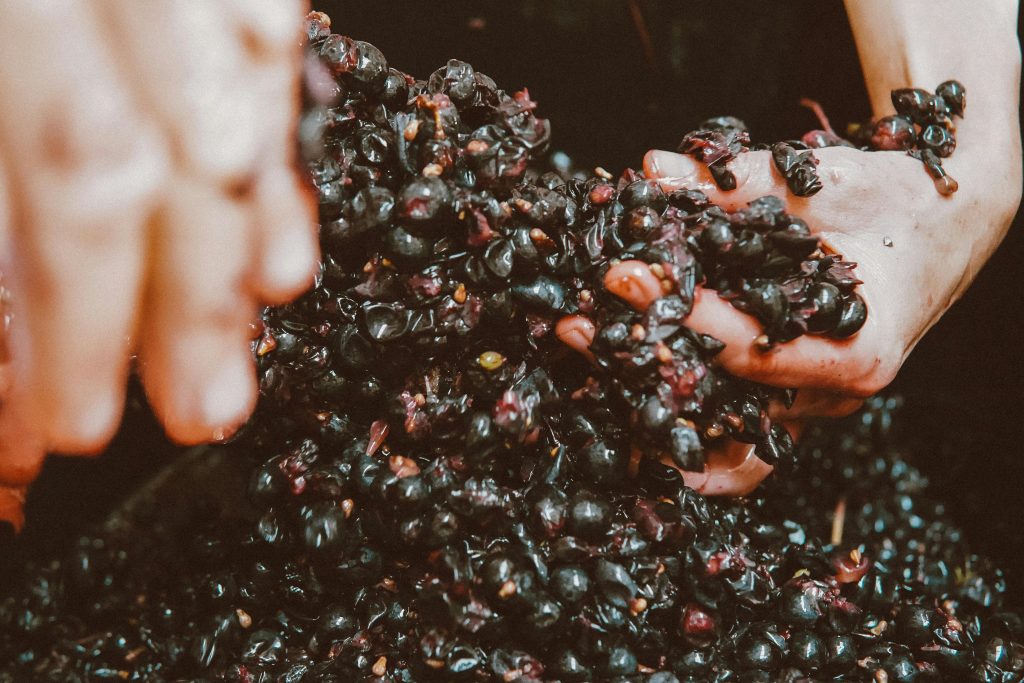
Madeira’s wines derive from several key grape varieties. The noble grapes—Sercial, Verdelho, Bual (Boal), and Malvasia (Malmsey)—produce the finest wines, while the versatile Tinta Negra Mole accounts for the majority of production. The Malvasia grape yields the sweetest expressions, while Sercial creates the driest styles. Vineyards are typically planted on low trellises across the island’s steep terraces, with vines growing from brown basaltic bedrock in an oceanic climate that presents constant viticultural hazards, including fungal grape diseases and botrytis rot.
The Unique Aging Process
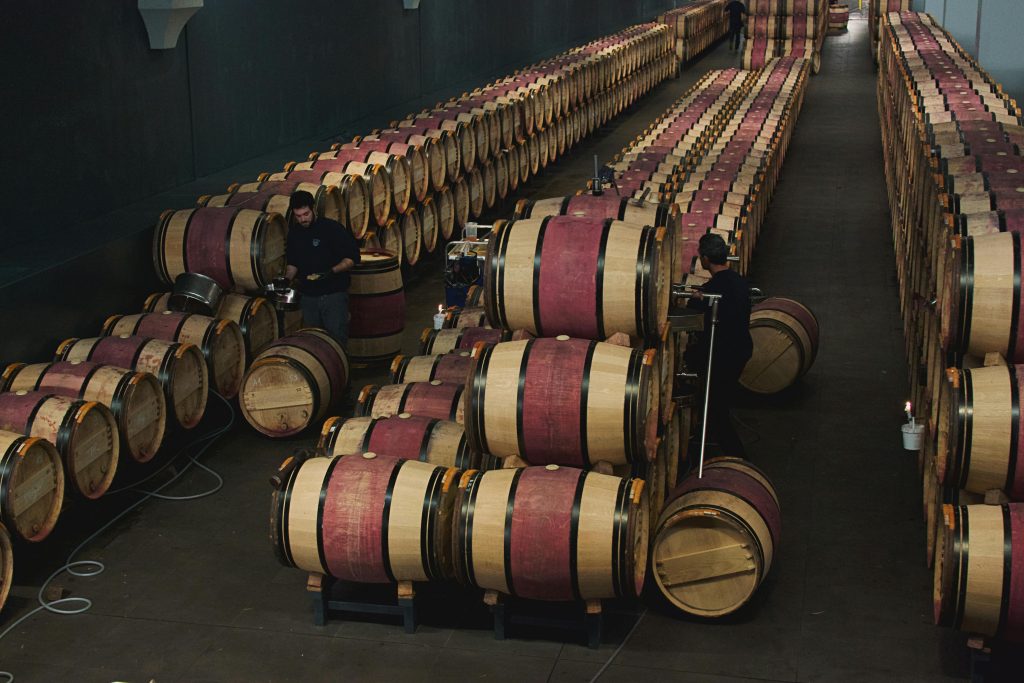
What truly distinguishes Madeira is its extraordinary aging process. After fortification with distilled alcohol, the wine is subjected to deliberate heating—a practice that originated with the discovery that wines improved after hot sea voyages (known as vinho da roda). Today, most commercial Madeira undergoes the estufagem process in stainless steel tanks called Cuba de calor or armazém de calor. However, premium Madeira wines follow the traditional canteiro method, where the wine is aged naturally in oak casks stored in “warm rooms” for decades or even centuries, developing remarkable complexity without spoiling.
The Diverse Styles of Madeira Wine
Madeira offers an impressive range of styles, from bone-dry aperitifs to lusciously sweet dessert wines, with gradations of sweetness, age, and complexity that provide options for every palate and occasion. Understanding these differences helps enthusiasts navigate the diverse world of Madeira.
Decoding Single Varietal Madeira
The finest Madeiras proudly display their grape variety on the label. Sercial and Verdelho produce lighter, drier, and acidic styles, with Sercial offering bright citrus notes and Verdelho delivering a medium-dry profile with nutty complexity. Bual creates medium-sweet wines with rich caramel and dried fruit notes, while Malmsey produces the richest sweet Madeira with luscious molasses, coffee, and nutty flavor profiles. Each varietal expression offers a distinct window into Madeira’s terroir and traditions.
Exploring Blended Madeira Wine
Beyond single vintage expressions, Madeira offers a range of blended wine styles categorized by sweetness and age. From the driest Seco to the sweetest Doce, these wines combine multiple harvests and sometimes different grape varieties to achieve consistent house styles. Age classifications include Reserve (5 years), Special Reserve (10 years), and Extra Reserve (over 15 years), with each level of maturity bringing increasing complexity and finesse to the blend.
Uncovering Rare Madeira Wine Styles
For the passionate collector, vintage Madeiras (Frasqueira or Garrafeira) represent the pinnacle of the island’s winemaking. These rare wine treasures must be aged for at least 20 years in a cask before bottling and often continue developing for centuries. Colheita Madeiras are single vintage wines aged for a minimum of 5 years, while Solera styles blend vintages using a fractional blending system similar to Sherry. Historic examples from the 16th century still drink beautifully today, demonstrating Madeira’s unparalleled longevity.

Exploring the Taste Profile of Madeira Wine
The sensory experience of Madeira is unlike any other wine, combining elements of sweetness, acidity, oxidation, and concentration in a uniquely compelling package. This remarkable flavor profile explains why Madeira has captivated connoisseurs for centuries.
Sensory Characteristics: From Dry to Sweet
The sensory journey of Madeira spans an impressive range of flavor profiles, dictated largely by sugar levels and aging. Drier styles offer pronounced acidity with notes of nuts, citrus, and minerality, while sweeter expressions deliver concentrated flavors of dried fruit, toffee, spice, and orange blossom. Across all styles, Madeira’s signature profile includes a core of caramelized richness, vibrant acidity, and complex oxidative character that creates a mesmerizing tension between freshness and depth.
Perfect Pairings: Food and Madeira Wine
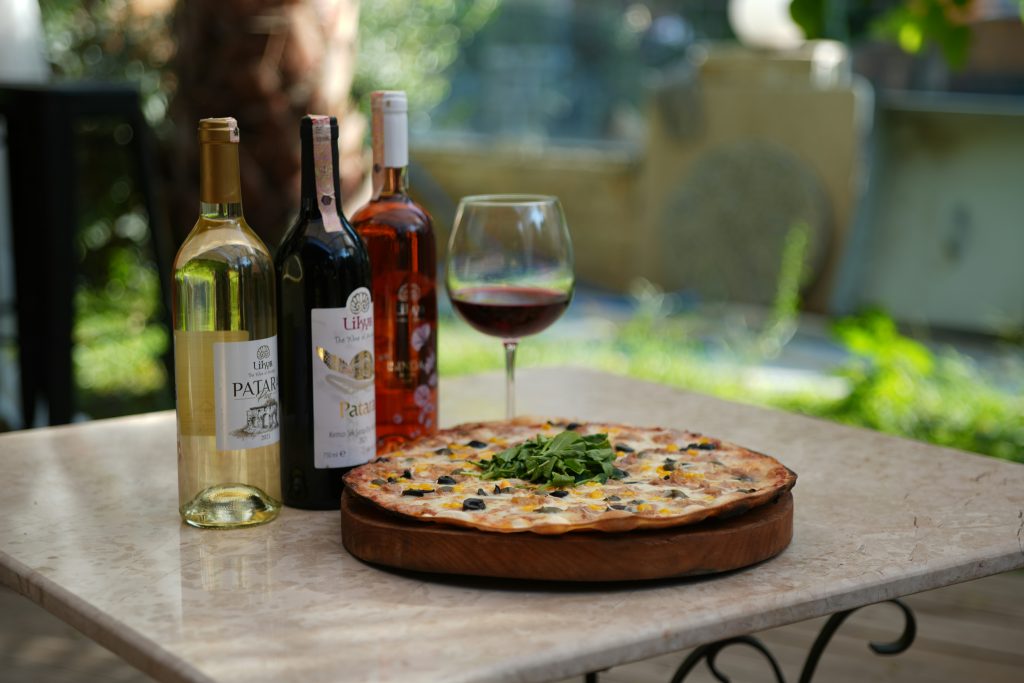
Madeira’s versatility at the table is unmatched among fortified wines. Drier styles like Sercial and Verdelho make excellent aperitifs and pair beautifully with smoked salmon, oysters, and light appetizers. Medium-sweet Bual complements rich pâtés, blue cheeses, and savory desserts, while sweet Malmsey serves as the perfect conclusion to a meal alongside chocolate, fruit-based desserts, or traditional Madeira cake. The wine’s pronounced acidity allows even sweeter styles to maintain balance and food-friendliness.
Cooking with Madeira Wine
Beyond sipping, Madeira brings extraordinary depth and complexity to culinary creations, with a stability that makes it particularly valuable in the kitchen. The wine’s rich flavors have enhanced fine cuisine for centuries, from classic sauces to contemporary innovations.
Madeira’s stability makes it an exceptional cooking wine that won’t deteriorate when heated. The wine forms the backbone of classic Madeira sauce, a luxurious accompaniment to beef, veal, and poultry dishes. Its complex flavors of nuts, caramel, and dried fruits enhance gravies, reductions, and deglazing liquids for pan sauces. While more affordable styles are suitable for cooking, using a quality Madeira adds remarkable depth and character to culinary creations that cannot be replicated with inferior substitutes.
Crafting Madeira Wine Cocktails
Beyond traditional consumption, Madeira has found its way into contemporary mixology, with bartenders rediscovering historic cocktails like the Sherry Cobbler (equally delicious with Madeira) and creating new concoctions that showcase the wine’s unique profile. Drier styles work beautifully in aperitif cocktails alongside vermouths and amari, while sweeter versions can replace traditional sweeteners while adding complexity. Madeira’s ability to combine with spirits, citrus, and other modifiers makes it a versatile and surprising addition to the modern bar.

Serving Madeira Wine Like a Connoisseur
The proper presentation of Madeira enhances its extraordinary qualities and ensures the optimal drinking experience. While more forgiving than most fine wines, Madeira still benefits from thoughtful service that respects its character and complexity.
Optimal Temperatures and Glassware
Serving Madeira at the proper temperature unlocks its full aromatic and flavor potential. Drier styles show best slightly chilled (around 55°F/13°C), while richer versions can be served closer to room temperature (60-65°F/16-18°C). The ideal wine glass for Madeira features a tulip shape that concentrates aromas while providing enough space for swirling. While standard port glasses work well, certain producers have developed specialized Madeira glassware that enhances the tasting experience for this unique style of wine.
Decanting: Is It Necessary for Madeira Wine?
Unlike most wines, Madeira rarely requires decanting for aeration, as oxidation is already integral to its character. However, older vintage Madeiras may throw sediment, making gentle decanting beneficial for clarity. The real magic happens in the glass, where the wine continues to evolve and reveal new dimensions with exposure to air. A bottle of Madeira can remain open for weeks or even months without deterioration—another remarkable quality that sets it apart from virtually all other fine wines.
Curating the Ultimate Collection of the Best Madeira Wines
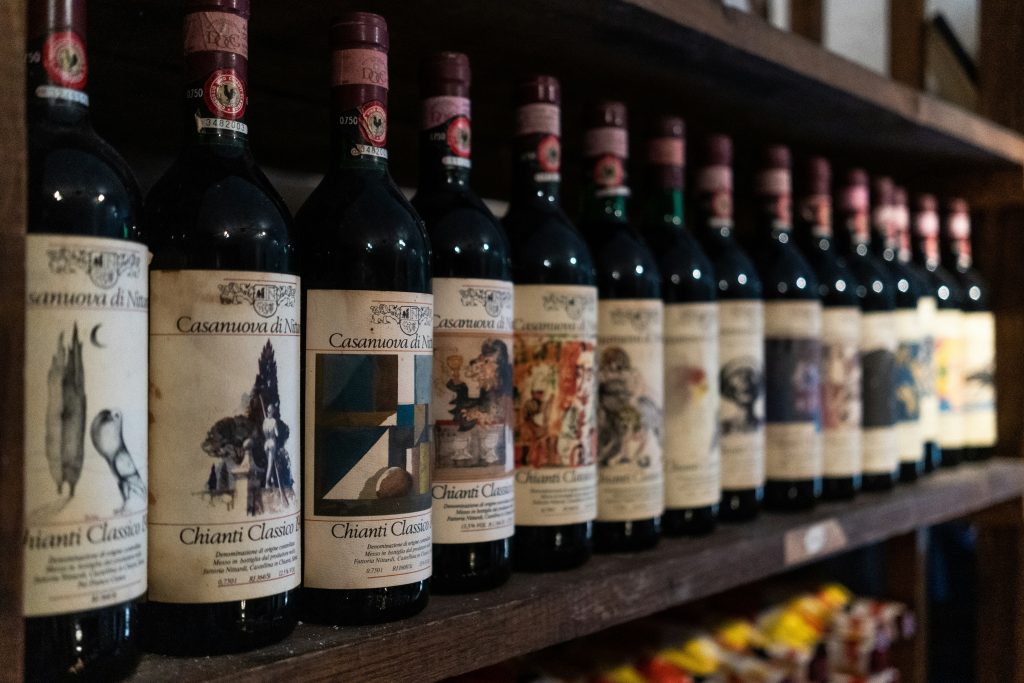
For those looking to explore Madeira’s finest expressions, these ten exceptional bottles represent the pinnacle of quality, diversity, and historical significance. From approachable entry points to once-in-a-lifetime treasures, this collection spans the full spectrum of what makes Madeira so extraordinary.
This ultimate guide to the best Madeira wine selections represents centuries of island tradition and excellence. From accessible introductory bottles to rare historic treasures, these recommendations span the full spectrum of styles, producers, and price points for enthusiasts at every level.
1. Henriques & Henriques Founders Solera: A Timeless Classic
H&H’s Founders Solera stands as a benchmark for quality Madeira, offering exceptional complexity at a relatively accessible price point. This medium-sweet blend showcases the house style that has made Henriques & Henriques one of the island’s premier Madeira producers. With rich notes of walnuts, toffee, and spice alongside vibrant acidity, it serves as a perfect introduction to fine Madeira.
2. NV Blandy’s Selection: Versatility in a Bottle
Blandy’s, the island’s largest producer, offers an excellent range of entry-level Madeira wines. Their 5-year and 10-year selections across all sweetness levels provide an ideal starting point for exploring Madeira’s diversity. The 10-Year Sercial delivers bright, citrusy freshness, while their 10-Year Malmsey offers luxurious sweetness balanced by the distinctive Madeira acidity.
3. 1875 D’Oliveiras Moscatel Reserva Vintage: A Sweet Sensation
D’Oliveiras maintains one of the most impressive inventories of historic vintage Madeiras, and their 1875 Moscatel represents a pinnacle of sweet Madeira craftsmanship. This legendary bottle of wine offers an intensely aromatic experience with notes of orange marmalade, exotic spices, and a seemingly endless finish that demonstrates why vintage Madeira commands such reverence.
4. 1860 Leacock’s Sercial Solera: Elegance Redefined
Leacock’s 1860 Sercial epitomizes the driest Madeira style with remarkable poise and complexity. After over a century of aging, it delivers an intricate tapestry of almonds, citrus peel, and saline minerality with the piercing acidity characteristic of fine Sercial. This historic wine represents the perfect counterpoint to sweeter styles, demonstrating Madeira’s impressive stylistic range.
5. 1795 Barbeito Vintage Terrantez: The Pinnacle of Rarity
Barbeito’s 1795 Terrantez stands as one of the most legendary wines produced in Madeira’s history. Made from the nearly extinct Terrantez grape, which produces wines between Verdelho and Bual in sweetness, this exceedingly rare bottling offers a transcendent tasting experience combining ethereal floral notes with profound depth and a finish measured in minutes rather than seconds.
6. 1790 H Borges Terrantez Vintage: A Historic Gem
Another extraordinary Terrantez, the 1790 H Borges, represents a liquid artifact from a time when Madeira was produced using methods that have largely disappeared. With its bewitching combination of sweetness and searing acidity, alongside notes of dried apricots, tobacco, and exotic spices, it stands as a testament to Madeira’s unmatched ability to capture history in a bottle.
7. 1800 J S Terrantez: A Collector’s Pride
The enigmatic J S bottling of 1800 Terrantez has achieved mythical status among Madeira collectors. Sourced from ancient stocks and bottled with minimal intervention, this wine delivers a transcendent experience with its perfect tension between sweetness and acidity, exotic fruit notes, smoky complexity, and a finish that seems to recalibrate one’s understanding of what wine can achieve.
8. 1748 Henriques & Henriques Verdelho Solera: A Taste of History
Few wine cellars in the world can boast treasures like H&H’s 1748 Verdelho Solera, a wine produced during America’s colonial era. This medium-dry masterpiece offers mind-bending complexity with notes of dried citrus, roasted nuts, exotic woods, and subtle salinity. Its extraordinary freshness despite nearly three centuries of age demonstrates why Madeira remains the most age-worthy of all wines.
9. 1893 Cossart Gordon Malmsey Vintage: Luxurious Sweetness
Cossart Gordon, founded in 1745, produces some of Madeira’s most opulent sweet wines. Their 1893 Malmsey Vintage exemplifies the rich, indulgent side of Madeira with its luscious texture and notes of molasses, dark chocolate, coffee, exotic fruits, and warm spices. Despite its profound sweetness, the characteristic Madeira acidity provides perfect balance and remarkable drinkability.
10. 1845 Cossart Gordon Centenary Bual: Celebrating Heritage
Created to commemorate the company’s centennial, this remarkable Bual from the mid-19th century showcases the perfect middle ground between Verdelho’s dryness and Malmsey’s sweetness. With its complex bouquet of dried apricots, candied orange, roasted nuts, and subtle smoke, supported by a structure of vibrant acidity, it represents the harmonious balance that makes medium-sweet Madeira so compelling.
The Investment Potential of Madeira Wine
Beyond its pleasures as a beverage, Madeira offers fascinating possibilities as a collectible asset class. Its extraordinary longevity, increasing scarcity, and growing global recognition make it worthy of consideration for wine investors seeking diversification beyond traditional fine wine regions.
Adding Age-worthy Madeira to Your Wine Portfolio
Beyond its pleasures as a beverage, Madeira presents compelling opportunities as an investment. The wine’s legendary aging potential—with examples from the 18th century still drinking beautifully today—makes it uniquely positioned among collectibles. While the Port wine market receives more attention, Madeira’s extreme longevity and increasing scarcity create a strong foundation for long-term appreciation, particularly for single vintage bottlings from historic producers.
Advantages of Investing in Fine Madeira
Madeira offers several distinct advantages as an investment vehicle. Unlike most wines, it remains stable after opening, allowing collectors to enjoy bottles over extended periods without compromising value. Its indestructible nature means less concern about optimal storage conditions, though proper wine cellar environments remain ideal. Additionally, the limited production of top-quality Madeira, combined with increasing global interest in rare wine, suggests continued appreciation potential.
Price Appreciation and Market Trends
Historic Madeiras have shown impressive price appreciation at wine auctions over the past decade. Particularly coveted are pre-phylloxera vintages and wines made from rare varieties like Terrantez and Bastardo. While modern Madeiras generally appreciate more slowly than their ancient counterparts, limited-production Vintage Madeiras from top producers represent excellent value with significant growth potential as global awareness of Madeira’s quality continues to expand.
Storing and Insuring Your Madeira Collection
Though famously resilient, fine Madeira benefits from proper storage at consistent temperatures between 55-65°F (13-18°C) with moderate humidity and protection from light. Unlike most wines, Madeira can withstand some temperature fluctuation without damage due to its oxidative character and high alcohol content (typically 18-20%). For significant collections, specialized wine insurance protects against loss or damage, with appraisals recommended for rare vintages whose value may substantially exceed retail prices.
The Accessibility of Buying and Selling
The market for fine Madeira operates through several channels, including specialized wine retailers, auction houses, and direct purchases from producers. Major international wine auctions regularly feature historic Madeiras, while leading producers like Blandy’s, D’Oliveiras, and Henriques & Henriques maintain impressive libraries of old vintages available for direct purchase. For newer collectors, establishing relationships with knowledgeable merchants specializing in fortified wines provides the best access to both current releases and library wines.
Broadening Horizons: Exploring Sherry and Other Fine Wines
While Madeira offers a world of discovery on its own, its enthusiasts often find pleasure in exploring other wine regions that share certain characteristics or philosophical approaches. These alternatives provide fascinating comparative experiences that deepen appreciation for Madeira’s uniqueness.
Sherry: A Close Relative in Style and Flavor
Spain’s Sherry bears the closest resemblance to Madeira among fortified wines, though with distinctive differences. Both undergo oxidative aging and fortification with distilled alcohol, but Sherry’s production in Andalusia’s chalky soils creates a different flavor profile. Fino and Manzanilla Sherries offer bone-dry freshness, while Oloroso and Pedro Ximénez styles deliver rich, concentrated sweetness. For Madeira enthusiasts, exploring Sherry’s diverse expressions provides fascinating comparative tasting experiences.
Discovering the Maconnais Wine Region of Burgundy
Though dramatically different in style, the white wines of Burgundy’s Maconnais region offer interesting parallels to drier Madeira styles through their mineral complexity and aging potential. These table wines from southern Burgundy deliver excellent value compared to more famous Burgundian appellations, with producers like Domaine Leflaive and Domaine Cordier crafting expressions of Chardonnay with remarkable depth and character that reward patient cellaring.
Spanish Wine: Diversity and Distinction
Beyond Sherry, Spain offers numerous fine wines worthy of exploration by Madeira enthusiasts. Traditional Rioja Gran Reservas develop tertiary aromas similar to aged Madeira through extended oak aging, while fortified Montilla-Moriles wines from south-central Spain share production techniques with both Madeira and Sherry. Catalonia’s Priorat region produces powerful reds with a rich texture and mineral backbone that appeal to lovers of structured, complex wines.
Final Thoughts on the Resilience and Elegance of Madeira Wine
As our journey through Madeira’s extraordinary world concludes, we’re left with a profound appreciation for this remarkable wine that stands alone in its ability to transcend time. From modest beginnings as a practical solution for long voyages to its current status as one of wine’s greatest treasures, Madeira’s story is one of resilience, innovation, and unwavering commitment to quality.
Leave a Reply to What Is Madeira Famous For – Year Round Portugal Cancel reply