
Madeira Island, often called the “island of eternal spring” due to its temperate climate, welcomes visitors year-round with its stunning landscapes and pleasant weather. This Portuguese archipelago in the Atlantic Ocean offers a diverse range of experiences regardless of when you choose to visit. From vibrant spring blooms to festive winter celebrations, each season in Madeira has its unique charm and appeal for travelers seeking natural beauty, outdoor adventures, and cultural experiences. Lets explore the best time to visit Madeira in this article.
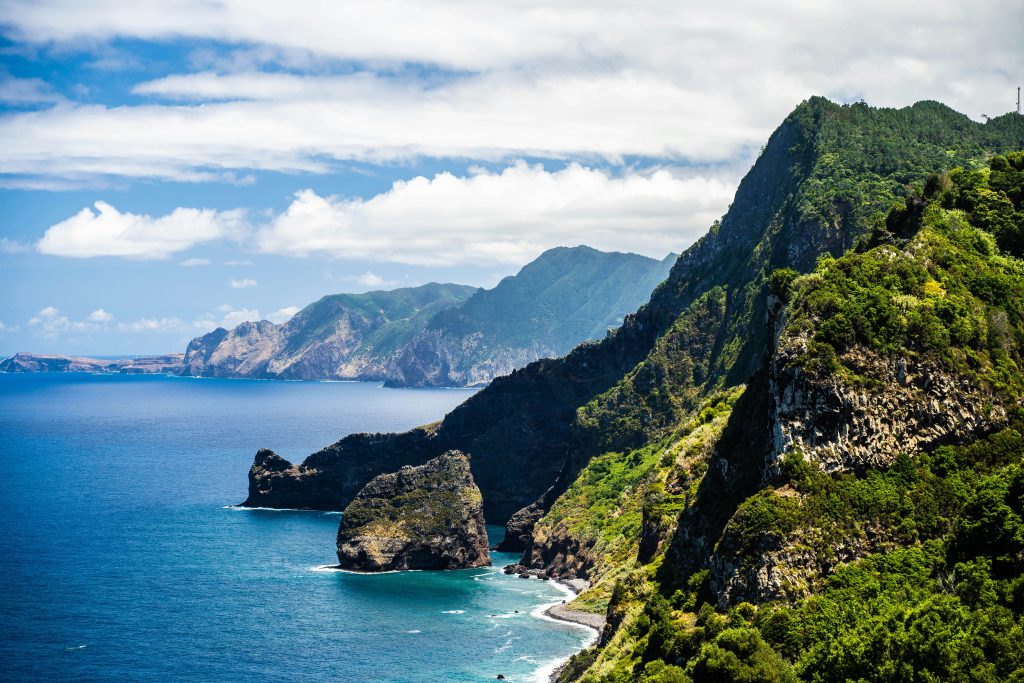
Discover the Ideal Season for Your Madeira Adventure
Madeira’s subtropical climate, influenced by the warming effects of the Gulf Stream, creates mild temperatures throughout the year. The weather in Madeira remains remarkably consistent, with average temperatures ranging from 16°C (61°F) in winter to 25°C (77°F) in summer, making it a year-round destination for travelers from across the globe.
This consistency in climate has earned Madeira its reputation as a botanical paradise, though each season offers distinct advantages depending on your travel preferences and planned activities. Understanding the seasonal variations will help you plan the perfect Madeira holiday tailored to your interests.
Spring Blooms and Perfect Trails (March to May)
Spring is arguably the most spectacular time to experience Madeira’s natural splendor, as the island bursts into color with countless species of flowers carpeting the landscapes. The Madeira Flower Festival in May transforms Funchal into a breathtaking display of colorful flowers, attracting nature lovers from around the world.
The mild temperatures hovering around 18-20°C (64-68°F) create ideal conditions for exploring the island’s famous levadas (irrigation channels turned hiking paths) and mountain peaks like Pico Ruivo and Pico do Areeiro. Spring offers the perfect balance of pleasant weather, fewer crowds than summer, and lush greenery following the winter rains.
Summer Sunshine and Ocean Escapes (June to September)
Summer is the best season for beach enthusiasts and water sports aficionados, with warm temperatures consistently between 23-25°C (73-77°F) and sea temperatures reaching a comfortable 22-24°C (72-75°F). The waters around Madeira become crystal clear with excellent visibility and water temperatures perfect for scuba diving, stand-up paddleboarding, and swimming.
This peak tourist season brings plenty of sunshine and minimal rainfall, though the islands rarely experience the intense summer heat found in mainland Portugal or other Mediterranean destinations. The warm summer evenings are perfect for enjoying the island’s outdoor dining scenes and the famous Madeira Wine Festival in late August.

Autumn Colors and Harvest Delights (September to December)
Madeira in autumn offers a wonderful balance of warm days and cooler evenings, with temperatures remaining pleasantly warm around 20-22°C (68-72°F). The summer crowds begin to thin, making it an excellent time for leisurely wandering and exploring famous Funchal and other charming towns without the bustling summer atmosphere.
This is harvest season for many of Madeira’s agricultural products, including the grapes used in producing the renowned Madeira wine, creating opportunities for delightful tours and tastings. The lush landscapes take on golden hues, and the milder temperatures are ideal for hiking through misty forests and along scenic trails.
Winter Festivities and Cozy Getaways (December to February)
Winter in Madeira is mild compared to much of Europe, with daytime temperatures typically around 16-18°C (61-64°F). This season offers a unique opportunity to experience the island’s spectacular New Year’s Eve fireworks display, recognized as one of the world’s largest.
The occasional rain showers keep the island’s vegetation lushly green, and the cooler temperatures are perfect for exploring inland areas and enjoying the warming comfort of traditional food and drink. Winter also brings excellent conditions for surfing enthusiasts, with larger swells hitting the northern shores, particularly near Porto Moniz.
Madeira’s Climatic Splendors Month by Month
Understanding Madeira’s weather patterns throughout the year can help you plan your visit to align with your preferred activities and comfort levels. Each month brings its special character to the island experience.
January’s Cool Charm
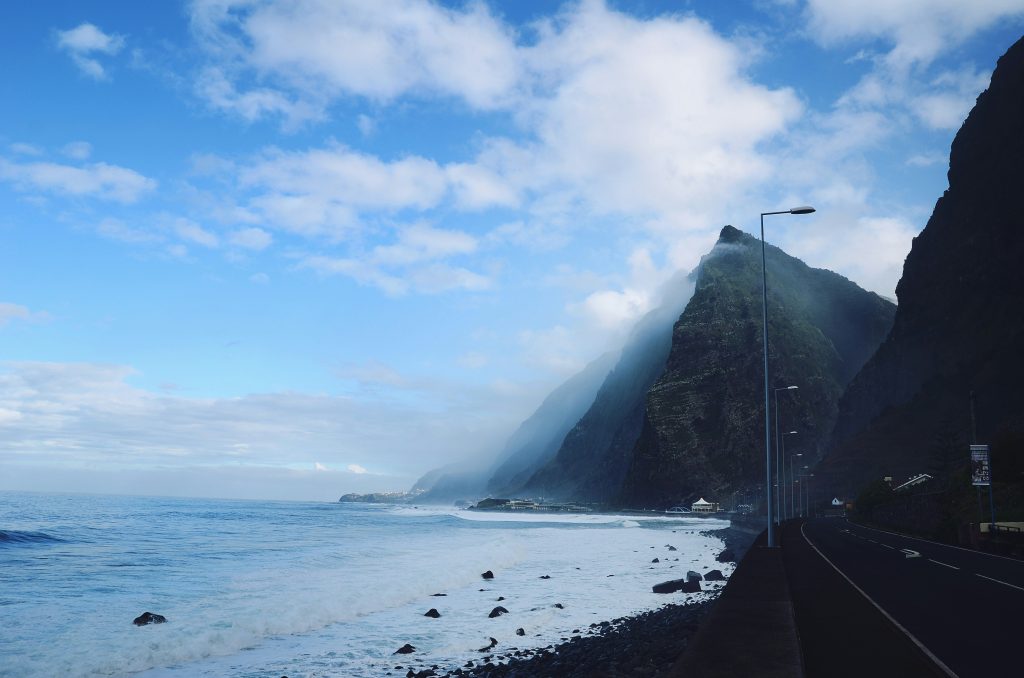
January brings cooler temperatures averaging around 16°C (61°F), with occasional rain showers that maintain the island’s lush greenery. The mountain areas might experience some fog and mist, creating mysterious and photogenic landscapes.
This is a quiet month for tourism, offering great value accommodations and a more authentic experience of local life. The sea remains relatively warm at about 18°C (64°F), still comfortable enough for hardy swimmers.
February’s Emerging Warmth
February sees a slight warming trend with average temperatures around 16-17°C (61-63°F) and gradually decreasing rainfall. The famous Carnival celebrations bring colorful parades and festivities to Funchal and other towns across Madeira Island.
This month marks the beginning of whale watching season, as migratory species start to appear in the waters around the archipelago. The countryside begins showing early signs of spring, with some early-blooming flower species making an appearance.
March’s Floral Awakening
March heralds the true beginning of spring, with temperatures climbing to around 17-18°C (63-64°F) and noticeably longer daylight hours. The island’s vegetation responds dramatically to the increasing warmth, with gardens and natural areas beginning their spectacular floral displays.
This month offers excellent conditions for hiking the famous levadas, with comfortable temperatures and increasingly stable weather patterns. The annual Flower Festival preparations begin, with landscapers and florists working throughout the island.
April’s Brightening Skies
April brings increasingly reliable sunshine and temperatures around 18-19°C (64-66°F), creating perfect conditions for exploring the island’s natural beauty. The Madeira Flower Festival often takes place this month, transforming Funchal into a magnificent garden of colorful floral displays.
Rainfall decreases significantly, though occasional showers may still occur, particularly in mountain regions. This is an ideal time for outdoor activities before the summer crowds arrive, with pleasant conditions for everything from hiking to dolphin and whale-watching tours.
May’s Verdant Landscapes
May offers near-perfect weather conditions with temperatures around 19-21°C (66-70°F) and minimal rainfall. The entire island showcases its verdant landscapes in full glory, earning its reputation as the “island of eternal spring.”
Sea temperatures begin to rise, reaching around 19°C (66°F), making water activities increasingly appealing. The crowds are still moderate compared to peak summer months, offering a wonderful balance of good weather and relatively peaceful exploration opportunities.
June’s Coastal Breezes
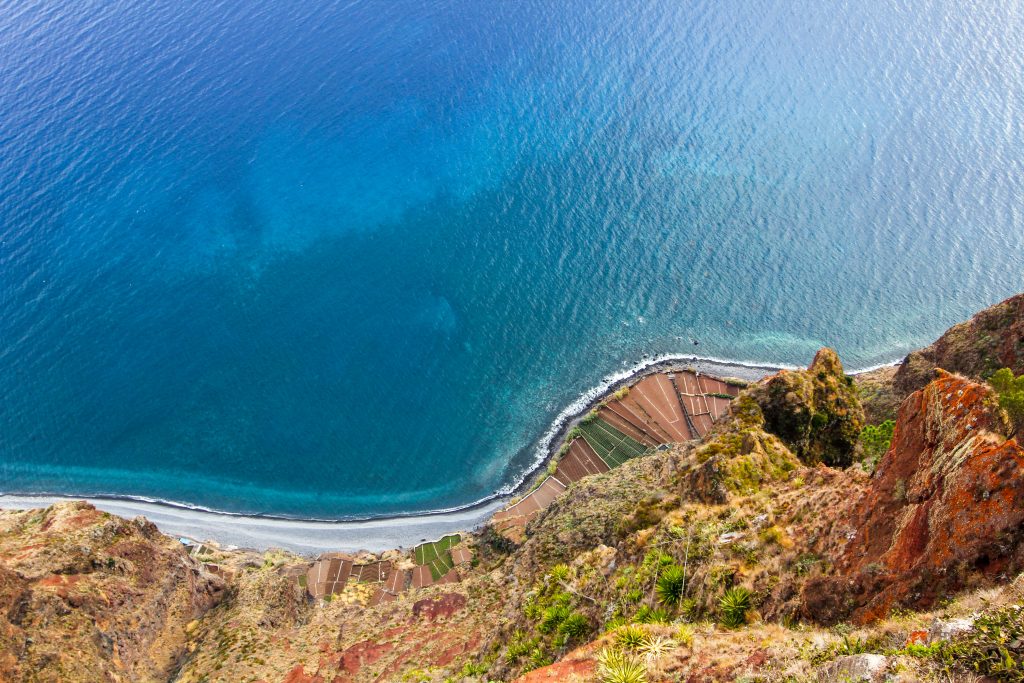
June marks the beginning of summer, with temperatures climbing to 21-23°C (70-73°F) and very little rainfall. The coastal breezes provide natural cooling, making even the warmest days comfortable for exploring or relaxing on the beaches of Madeira and Porto Santo.
The sea temperature reaches a pleasant 20-21°C (68-70°F), ideal for swimming and water sports. Tourist numbers begin increasing, bringing a livelier atmosphere to resort areas and popular attractions.
July’s Peak Sunshine
July delivers the warmest weather of the year, with temperatures often reaching 24-25°C (75-77°F) and almost guaranteed sunshine every day. This is peak tourist season in Madeira, with all attractions, tours, and facilities operating at full capacity.
The sea reaches its most inviting temperature of around 22-23°C (72-73°F), perfect for extensive swimming, scuba diving, and marine life observation. The island’s higher elevations offer a refreshing escape if the coastal warmth becomes too intense.
August’s Lush Beauty
August continues the summer warmth with temperatures matching July’s peaks around 24-25°C (75-77°F). The famous Madeira Wine Festival typically occurs in late August, celebrating the island’s viticultural heritage with events throughout Funchal and wine-producing regions.
Sea temperatures reach their maximum at 23-24°C (73-75°F), offering ideal conditions for all water-based activities. Despite being high season, Madeira rarely feels overcrowded compared to other European summer destinations.
September’s Gentle Transition
September marks a gentle transition toward autumn, with temperatures gradually easing to 23-24°C (73-75°F) while maintaining summer-like conditions. The tourist crowds begin to thin after the first week, creating a more relaxed atmosphere throughout the island.
The sea retains its summer warmth at around 23°C (73°F), allowing for continued enjoyment of water activities. This month offers an excellent balance of warm temperatures, tourist infrastructure availability, and increasing tranquility.
October’s Mild Evenings
October brings mild temperatures around 21-22°C (70-72°F) with slightly increasing chances of rainfall, particularly in the mountains. The evenings become cooler, offering comfortable conditions for enjoying Madeira’s food and drink scene.
The sea remains surprisingly warm at about 22°C (72°F), still suitable for swimming and water sports. The autumn colors begin to appear in certain vegetation, creating new dimensions to the island’s already impressive landscapes.
November’s Quiet Retreat
November sees temperatures dropping to around 19-20°C (66-68°F) with more frequent rainfall that rejuvenates the island’s vegetation after the drier summer months. This is a wonderfully quiet time to visit Madeira, with significantly lower tourist numbers and excellent accommodation values.
The sea begins cooling but remains around 20-21°C (68-70°F), still comfortable for brief swimming. This month is ideal for those seeking a peaceful retreat with opportunities to experience local culture more authentically.
December’s Festive Glow
December brings the festive season to Madeira, with elaborate Christmas decorations throughout Funchal and other towns. Temperatures hover around 17-18°C (63-64°F), remarkably mild compared to most of Europe during this period.
The month culminates in Madeira’s world-famous New Year’s Eve fireworks display over Funchal Bay. While rainfall increases, particularly in northern parts of the island, many days remain clear and suitable for outdoor exploration.
Madeira’s Outdoor Activities – Best Times Revealed
Madeira offers vast outdoor activities throughout the year, but certain seasons provide optimal conditions for specific adventures. Understanding these seasonal variations helps in planning the perfect active holiday.
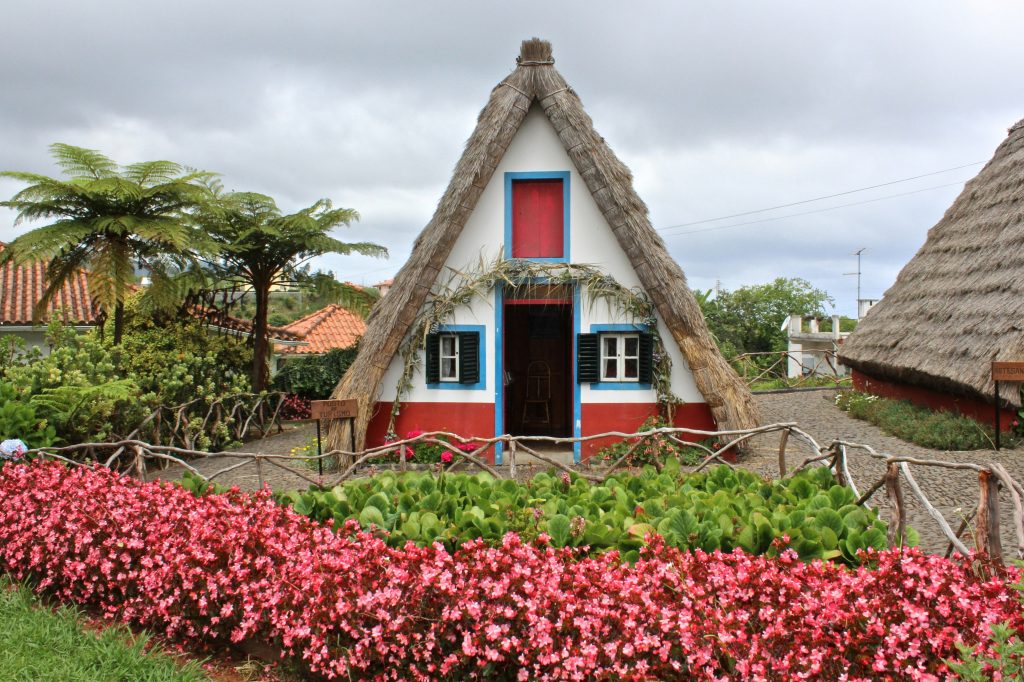
Flower Viewing: A Springtime Spectacle
Spring (particularly April and May) offers the most spectacular flower displays across Madeira Island. The annual flower festival transforms Funchal with parades and elaborate floral installations, while gardens like Monte Palace and Botanical Garden showcase thousands of species in bloom.
Early spring also brings the unique flowering of the Laurisilva forest understory, creating magical woodland experiences along many hiking routes. For flower enthusiasts, this season is unquestionably the prime time to visit Madeira.
Hiking Trails: Year-Round Adventure Awaits
Madeira’s famous levadas and mountain trails remain accessible year-round, but each season offers different advantages. Spring and autumn provide ideal hiking conditions with comfortable temperatures, lush landscapes, and moderate tourist numbers.
Summer allows access to higher altitude routes that might be cloud-covered in other seasons, while winter hiking offers dramatic misty atmospheres and solitude. Serious hikers seeking to summit Pico Ruivo or Pico do Areeiro should aim for clear-weather days, regardless of season.
Scuba Diving: Dive into Summer Clarity
The summer months (June through September) deliver optimal diving conditions around Madeira, with water visibility often exceeding 20 meters and comfortable sea temperatures around 22-24°C (72-75°F). Marine life is abundant during these months, with increased chances of encountering pelagic species.
The Garajau Nature Reserve offers particularly rewarding dive experiences during summer. For those willing to wear thicker wetsuits, diving remains possible year-round, with winter sometimes offering dramatic underwater light conditions.
Dolphin and Whale Watching: An Oceanic Encounter
While dolphin and whale watching tours operate year-round from Funchal Marina, the period from March through October offers optimal conditions with calmer seas and greater species diversity. Sperm whales are most commonly spotted in summer, while spring brings migratory baleen whales.
Several dolphin species reside permanently in the waters around Madeira, ensuring successful sightings on approximately 90% of tours throughout the year. For photographers, the clearer air and water of spring often provide the best conditions for marine wildlife photography.
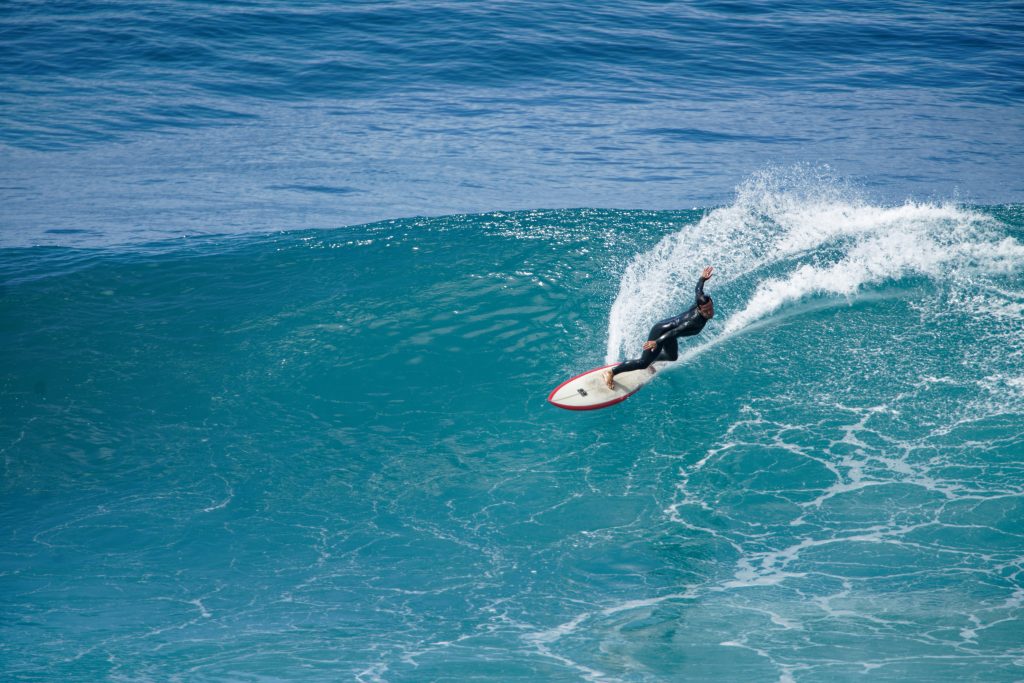
Surfing: Riding the Winter Waves
Winter (November through February) brings the most consistent and powerful swells to Madeira’s north coast, particularly around Porto Moniz and Jardim do Mar. These months attract experienced surfers seeking challenging wave conditions.
Summer offers gentler conditions better suited to beginners and intermediates, with surf schools operating primarily during this period. The shoulder seasons (October and March) often provide a good balance of decent swells and milder weather conditions.
Budget-Friendly Travel: When to Save in Madeira
Savvy travelers can find significant savings by timing their Madeira visit strategically, taking advantage of seasonal pricing variations while still enjoying excellent weather conditions.
Off-Peak Perks for Thrifty Explorers
The periods from mid-January to mid-March (excluding Carnival week) and November offer the best value accommodations, often at 30-50% below high-season rates. These months still provide mild temperatures ideal for exploring the island’s natural and cultural attractions.
Flight prices from mainland Europe and the UK typically drop significantly during these periods, creating opportunities for budget-conscious travelers. Many restaurants and tour operators also offer low-season discounts, further enhancing the value proposition of visiting during these quieter months.
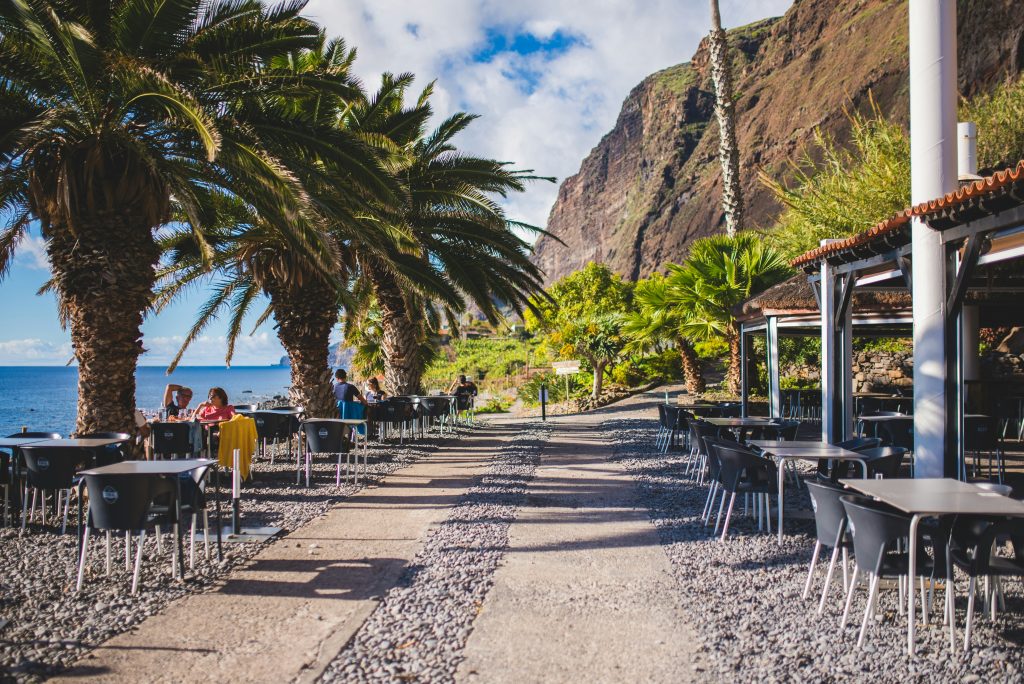
Avoiding the Crowds – Madeira’s Hidden Gems Uncovered
For travelers seeking a more tranquil experience of Madeira’s natural beauty, knowing when and where to explore can make all the difference.
Shoulder Season Secrets for Solitude Seekers
The periods of late May to early June and late September to early October offer an ideal combination of excellent weather and reduced tourist numbers. These shoulder seasons allow visitors to enjoy popular attractions like Monte Palace Gardens or the cable car to Monte without the summer queues.
Early morning exploration (before 10 am) of famous sites like Pico do Areeiro provides remarkable solitude even during busier seasons. The northern coastal areas remain relatively uncrowded year-round, offering authentic experiences of Madeiran culture and cuisine.
The Ultimate Conclusion: Planning Your Madeira Journey
The best time to visit Madeira truly depends on your personal preferences and planned activities, though the island’s remarkable climate ensures a rewarding experience throughout the year.
Leave a Reply