

Lisbon city sits on the Atlantic coast and is one of the oldest capital cities in Western Europe. Its history goes back thousands of years, from Roman times to Moorish rule, before becoming the lively city we see today.
The 1755 earthquake changed Lisbon forever. This huge disaster almost destroyed the entire city. After the earthquake, the city was rebuilt with the neat grid pattern you can see in the Baixa area. Some old parts of the city survived, especially in the Alfama district, where narrow streets climb up the hill and show what medieval Lisbon looked like.
Lisbon became important because of sea exploration. In the 15th century, Portuguese explorers set sail from here to discover new lands. The wealth from trade with these new places paid for beautiful buildings and cultural sites that still attract visitors today. In this article, let us explore what is Lisbon famous for?
The Architectural Marvels of Lisbon
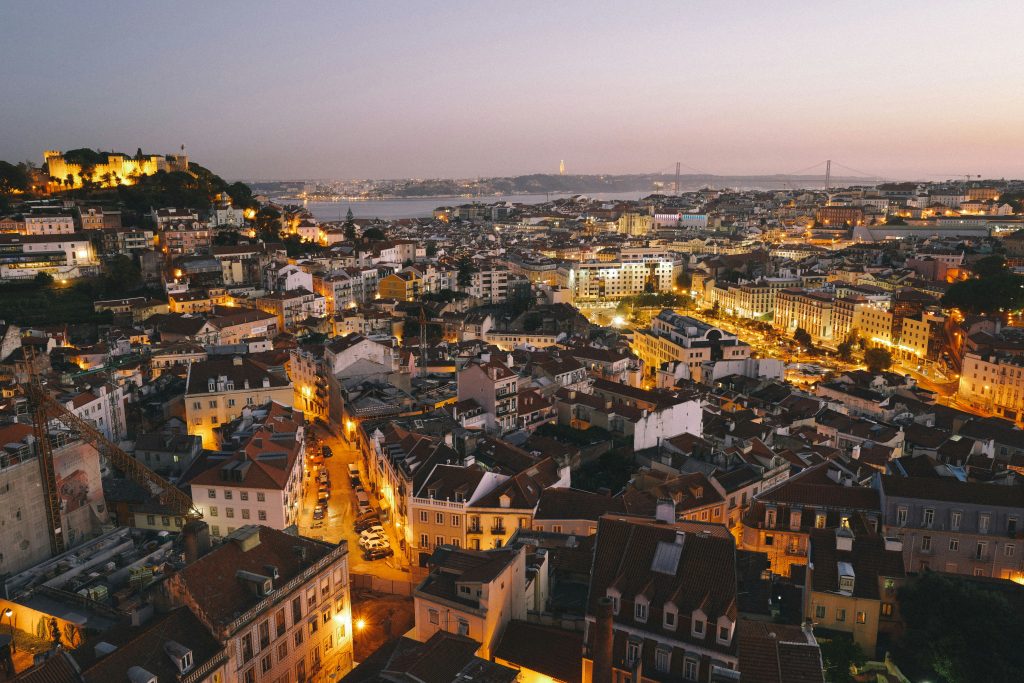
Lisbon’s skyline tells the story of its past through stunning buildings that have survived wars, earthquakes, and time itself. From hilltop castles to riverside monuments, these architectural treasures showcase Portuguese craftsmanship and the city’s unique history.
1. Castelo de São Jorge
Sitting on the highest hill in the city, Castelo de São Jorge gives you amazing views of Lisbon. This old fortress was built during the Moorish period, though much of what you see today was rebuilt after the old medieval structure was damaged. The castle was very important for defending the city throughout history.
2. Jerónimos Monastery and the Age of Discoveries
The Jerónimos Monastery shows the best of Portuguese building skills. Built-in the 16th century to celebrate Vasco da Gama’s journey to India, this UNESCO World Heritage site has a special style called Gothic-Manueline, which you only find in Portugal. The detailed stone carvings show ropes, shells, and sailing tools, celebrating Portugal’s sea adventures.
3. Praça do Comércio: The Grand Riverside Square
Praça do Comércio stands as Lisbon’s most majestic public square, opening like a grand reception hall to the Tagus River. This impressive plaza is framed by elegant yellow arcaded buildings on three sides, while the triumphant Arco da Rua Augusta forms its northern entrance. Once called the “Black Horse Square” by British visitors due to the bronze equestrian statue of King José I at its center, this vast open space has witnessed coronations, political declarations, and royal ceremonies throughout Portugal’s history. Today, it serves as a scenic gathering spot where visitors can enjoy waterfront cafés while watching boats sail past on the Tagus. The square’s grand scale and classical architecture perfectly represent Lisbon’s historic importance as a center of European trade and commerce.
4. Arco da Rua Augusta: Gateway to the City
This beautiful arch connects Praça do Comércio to the downtown shopping area. Finished in the 19th century, the arch has statues of important historical people. Visitors can climb to the top for great views of the city center and the river.
5. Carmo Convent: A Testament to the Past
The haunting skeleton of the Carmo Convent stands as Lisbon’s most visible reminder of the devastating 1755 earthquake. While most of the city was meticulously reconstructed, city planners deliberately preserved these Gothic ruins. The roofless nave now houses a small archaeological museum featuring tombstones, mosaics, and ancient artifacts. As sunlight streams through the missing ceiling onto the stone arches, visitors can experience a powerful connection to the catastrophic event that forever changed Lisbon’s architectural landscape and prompted modern earthquake engineering.
Lisbon’s Iconic Transportation
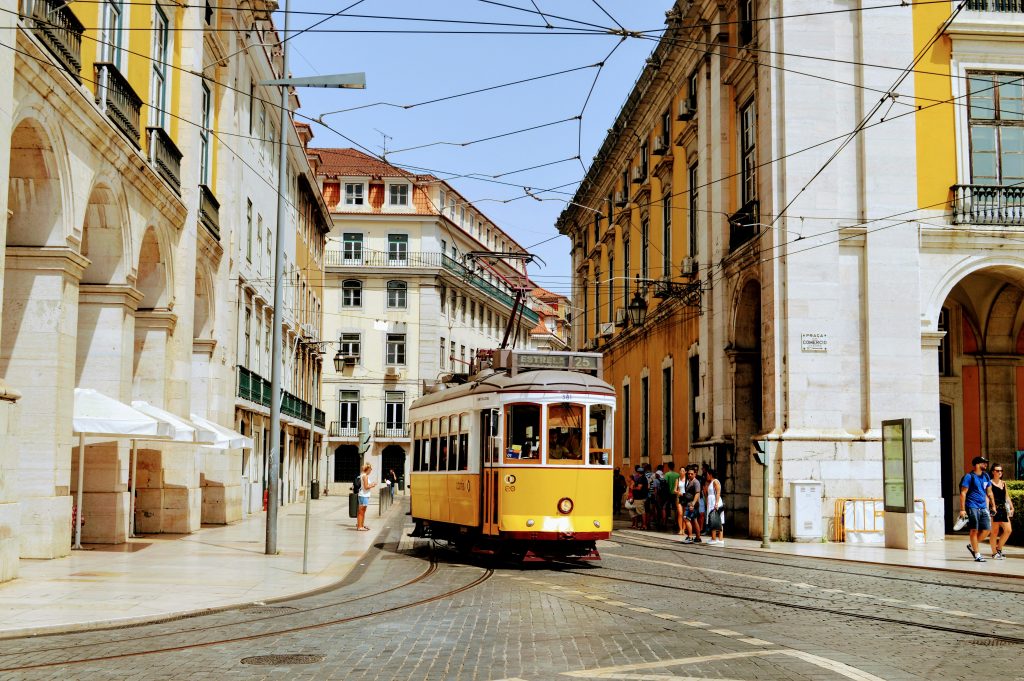
Getting around Lisbon is an adventure in itself, with historic vehicles that have become symbols of the city. These charming modes of transport help visitors tackle the city’s steep hills while adding to the unique character of Portugal’s capital.
1. Ride the Historic Tram 28
Lisbon’s yellow trams have become a symbol of the city. Tram 28 takes you on an unforgettable journey through the historic parts of Lisbon, going up steep hills and through narrow streets that would be hard to walk. These old-fashioned trams are both useful for getting around and a charming way to see the city’s past.
2. Santa Justa Elevator: Linking Districts
This iron elevator connects the lower Baixa district with the higher Bairro Alto area. Built in the early 20th century, the elevator solved the problem of moving between these two areas at different heights. Today, it’s both useful transportation and a popular spot for taking photos of the city.
3. Ascensor da Bica: A Funicular Adventure
This funicular railway climbs one of Lisbon’s steepest hills. It has been helping locals and visitors move up and down since 1892. The short ride offers beautiful views of the city and the river, making it both practical transportation and a fun experience.
The Districts That Define Lisbon
Lisbon unfolds across its distinctive neighborhoods, each telling a different chapter of the city’s story. From the medieval maze of Alfama to the elegant grid of Baixa and the creative energy of Cais do Sodré, these diverse districts invite visitors to experience the many faces of Portugal’s capital city.
1. Alfama: A Maze of History
The Alfama district survived the 1755 earthquake, keeping its old-world charm. With its maze-like narrow streets, small squares, and Fado music venues, Alfama gives you a feel of old Lisbon. This area is home to São Jorge Castle and Lisbon Cathedral, where the first mass was held when Christians took back the city from the Moors.
2. Baixa: The Heart of Downtown
Rebuilt after the 1755 earthquake, Baixa has wide streets laid out in a grid. This area is the main shopping district and business center of Lisbon. With its beautiful squares, elegant buildings, and busy shops, Baixa shows how the city rebuilt itself after a disaster.
3. Lisbon Waterfront Promenade – Stroll Along the Tagus River
The waterfront along the Tagus River offers a peaceful escape from the busy city. This area has been beautifully updated with walking paths, gardens, and places to eat. It’s perfect for watching boats on the river and enjoying the city skyline.
4. The Vibrant Pink Street in Cais do Sodré
Once a rough sailors’ district, Cais do Sodré has been transformed into one of Lisbon’s coolest areas. The famous “Pink Street” is lined with bars and clubs, making it the center of Lisbon’s nightlife. By day, it’s a colorful spot for photos; by night, it comes alive with music and dancing.

Lisbon’s Unmissable Attractions
Beyond its beautiful buildings and charming districts, Lisbon offers visitors a range of must-see landmarks that tell the story of Portugal’s rich history. From maritime monuments to cultural museums, these attractions showcase the city’s unique heritage.
Monuments Steeped in History
Lisbon’s monuments stand as proud reminders of Portugal’s glorious past. These landmarks have survived earthquakes and centuries of change, offering visitors a chance to connect with the events and people that shaped this nation’s identity.
1. Belém Tower: A Maritime Symbol
Standing at the mouth of the Tagus River, Belém Tower was built in the 16th century to defend the city. This UNESCO World Heritage site combines military function with beautiful decoration. It served as both a fortress and a ceremonial gateway to Lisbon for centuries.
2. Padrão dos Descobrimentos: The Explorers’ Monument
This impressive monument honors Portugal’s Age of Discoveries. Built for the 500th anniversary of Henry the Navigator’s death, it shows famous explorers led by Henry, all looking out toward the sea. The monument celebrates the country’s maritime achievements and global influence.
3. Rossio Square: A Gathering Place
Rossio Square has been Lisbon’s main meeting place for centuries. With its wave-patterned cobblestones, ornate fountains, and historic cafés, it remains the beating heart of the city. This is where locals gather for celebrations, protests, and everyday socializing.
Cultural Experiences and Museums
Lisbon’s museums and cultural spaces offer windows into Portugal’s artistic soul. From traditional tile-making to contemporary art, these institutions preserve and celebrate the creative expressions that make Portuguese culture so distinctive.
1. National Tile Museum: A Unique Art Form
The Museu Nacional do Azulejo showcases Portugal’s famous ceramic tiles. Housed in a former convent, this art museum tracks the evolution of tile-making from the Moorish period to today. The blue and white azulejos are found throughout Lisbon, decorating buildings inside and out.
2. Go On An Azulejos Tile Hunt
Beyond the museum, you can see beautiful tiles all over the city. From train stations to church walls, these decorated tiles tell stories of Portuguese history and culture. Looking for the most beautiful examples becomes a fun treasure hunt through Lisbon’s streets.
3. LxFactory: A Creative Hub
This former industrial complex has been transformed into a center for creativity. LxFactory now houses art galleries, design shops, restaurants, and workspaces. It shows how Lisbon blends its industrial past with modern creative energy.
4. Calouste Gulbenkian Museum: A Collector’s Legacy
This world-class museum holds the collection of oil baron Calouste Gulbenkian. With art from ancient Egypt to modern Europe, the museum offers a journey through 5,000 years of human creativity. The beautiful gardens surrounding the museum provide a peaceful break from sightseeing.
Lisbon’s Panoramic Views
Built across seven hills, Lisbon offers breathtaking vistas around every corner. These viewpoints provide perfect photo opportunities and help visitors understand the layout of this historic city spread beneath them.
1. Miradouros: Scenic Viewpoints Across the City
Built on seven hills, Lisbon offers many viewpoints (miradouros) with breathtaking views. Miradouro da Graça and Miradouro de Santa Luzia are among the most popular, offering perfect spots to watch the sunset over the city’s red rooftops. Many have small cafés where you can enjoy a drink while taking in the view.
2. 25 de Abril Bridge: The Golden Gateway
Often compared to San Francisco’s Golden Gate Bridge, the 25 de Abril Bridge spans the Tagus River. Built-in the 1960s, it connects Lisbon with Almada on the south bank. Driving or walking across offers spectacular views of the city and the Cristo Rei statue on the opposite shore.

Lisbon’s Gastronomic Delights
No trip to Lisbon would be complete without exploring its incredible food scene. Portuguese cuisine combines fresh ingredients with traditions shaped by centuries of maritime exploration, resulting in flavors that are both comforting and exciting.
Culinary Staples of Lisbon
Traditional Portuguese cooking lies at the heart of Lisbon’s food culture. These beloved dishes have been perfected over generations and offer visitors an authentic taste of local life, from sweet pastries to hearty seafood specialties.
1. Pastéis de Nata: The Iconic Custard Tart
No visit to Lisbon is complete without trying a pastel de nata, the famous Portuguese custard tart. This sweet pastry has a crisp shell filled with creamy custard, often sprinkled with cinnamon. The original recipe comes from Belém, where monks created these treats in the 18th century.
2. Time Out Market Lisbon: A Foodie’s Paradise
This food market in Lisbon brings together the best local chefs and food vendors under one roof. From traditional Portuguese cuisine to international dishes, Time Out Market offers a taste of everything. It’s the perfect place to try bacalhau à brás (shredded cod with potatoes and eggs) or a traditional pork sandwich.
Dining Destinations
Lisbon offers eating experiences for every taste and budget. The city’s dining scene has exploded in recent years, creating a perfect mix of traditional taverns and innovative restaurants where visitors can explore Portuguese flavors.
1. Discover Local Kiosks and Eateries
Throughout Lisbon, small kiosks and local restaurants serve traditional Portuguese food at good prices. These places offer great bang for your buck with dishes like caldo verde (kale soup) and grilled sardines. Eating where the locals eat gives you the most authentic experience.
2. High-End Dining: A Taste of Luxury
Lisbon’s food scene has grown dramatically in recent years. The city now has many high-end restaurants, some with Michelin stars. These places offer creative takes on Portuguese cuisine, often focusing on fresh seafood and using olive oil in innovative ways.
How To Get To Lisbon
Planning your journey to this enchanting capital is straightforward thanks to Portugal’s excellent travel infrastructure. Lisbon welcomes millions of visitors each year with efficient transportation options connecting it to destinations worldwide.
Travel Options: Air and Land Connections
Lisbon’s international airport makes the city easy to reach from around the world. The airport is close to the city center, just a short metro ride away. Lisbon also connects to other cities in Portugal and Spain by train and bus, making it a great starting point when traveling to Portugal.
What Is Lisbon Famous For: A Final Reflection
Lisbon combines old-world charm with modern energy in a way few European capitals can match. From its historic districts to its growing financial sector, from traditional Fado music to modern art galleries, Lisbon offers something for everyone. The city’s seven hills provide approximately 28 viewpoints from which to admire this beautiful place where tradition and innovation meet beside the Atlantic Ocean.
Whether you’re exploring the narrow streets of Alfama, enjoying a rooftop bar in Bairro Alto, or sampling Portuguese cuisine in the Chiado district, Lisbon’s vibrant atmosphere will capture your heart. As one of the most affordable cities in Europe, Lisbon offers exceptional experiences without breaking the bank—truly a city that delivers on its promise of discovery and delight.
Leave a Reply to Best Fado in Lisbon – Year Round Portugal Cancel reply