
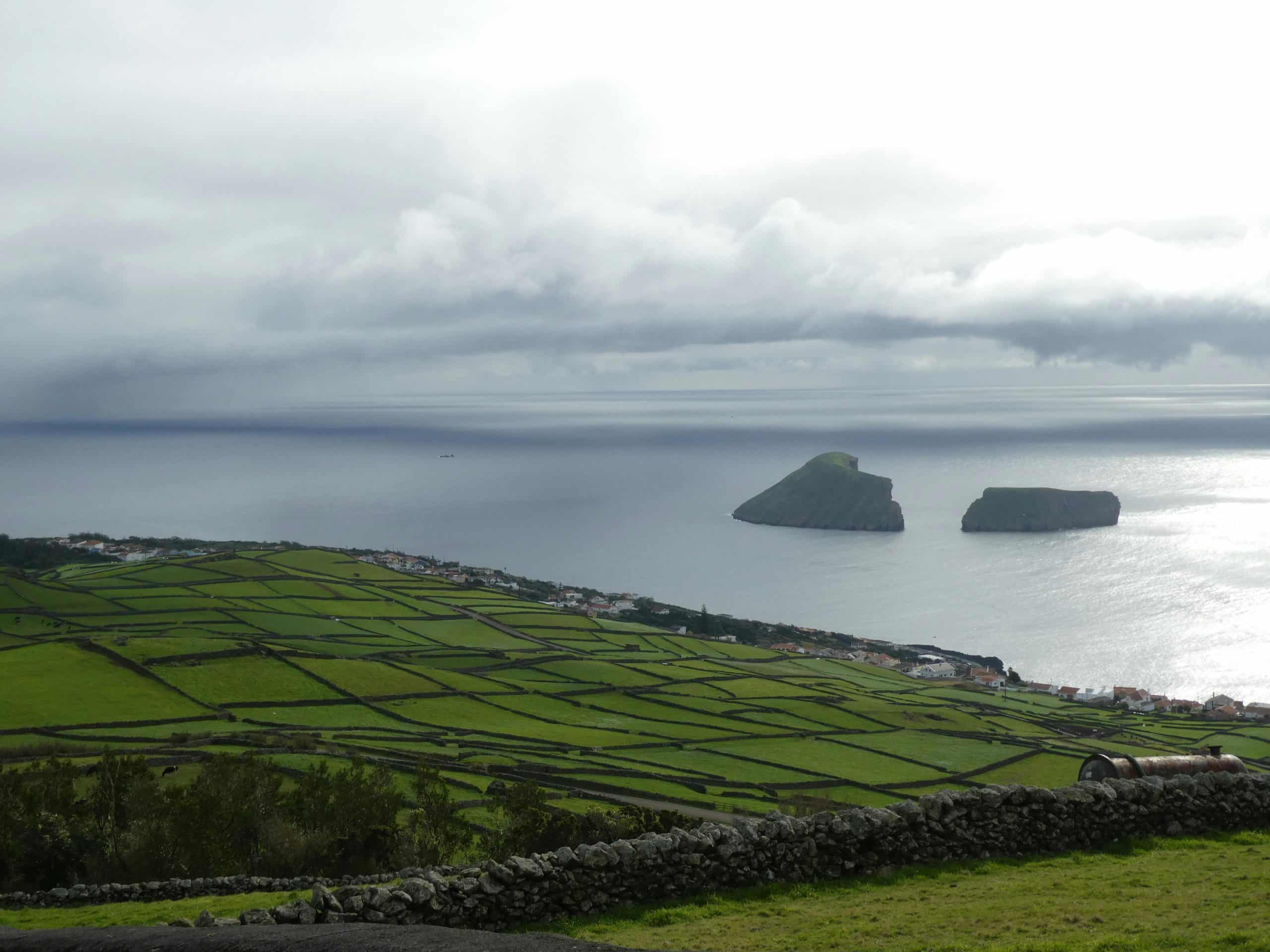
The enchanting Azores islands offer a year-round destination with something special in every season. This remote Portuguese archipelago in the mid-Atlantic combines stunning natural beauty, rich culture, and outdoor adventures that change with the passing months. Whether you’re seeking whale watching, hiking through lush landscapes, or immersing yourself in local festivities, timing your visit can make all the difference in your Azorean experience. So lets find out the best time to visit Azores.
Discovering the Azores: An Overview
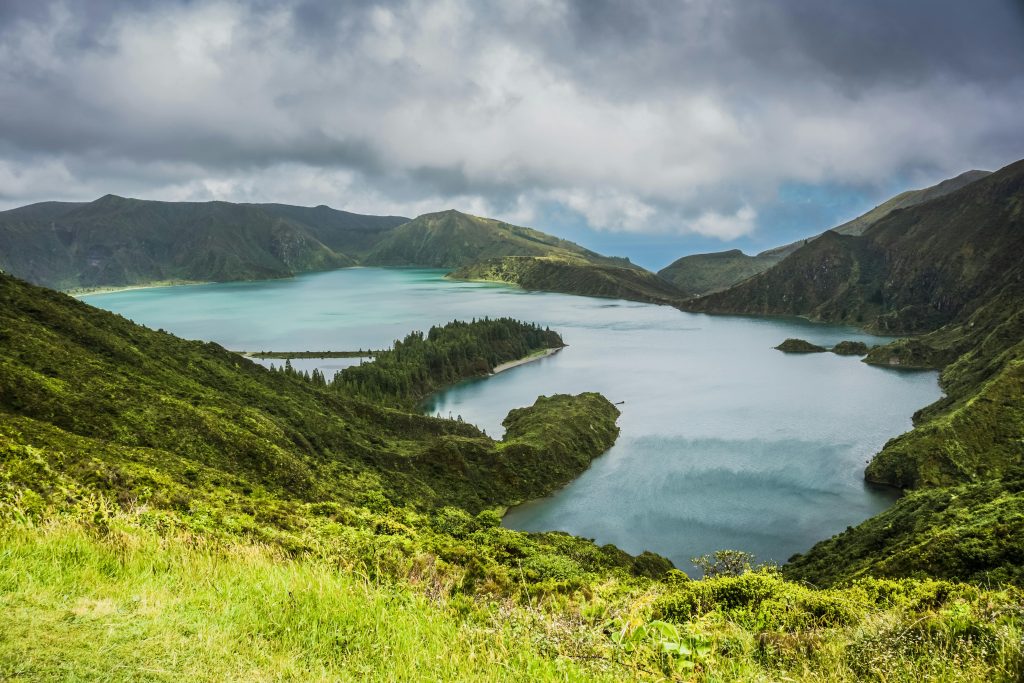
The Azores archipelago consists of nine volcanic islands that blend European charm with their own distinct identity. Located about 1,500 kilometers west of mainland Portugal, these islands exist in splendid isolation, preserving their natural wonders and cultural heritage away from mass tourism.
The Unique Charm of the Azores Archipelago
Each island of the Azores has its personality, from the largest São Miguel with its crater lakes and geothermal wonders to the perfect cone of Pico Mountain rising from Pico Island. The archipelago is known for its commitment to sustainable tourism and the preservation of both natural landscapes and traditional ways of life.
Weather Patterns Across the Azores
The Azores enjoy a mild maritime climate year-round, with temperatures rarely dropping below 55°F (13°C) or rising above 80°F (27°C). The islands experience frequent but brief rain showers that help maintain their lush, green landscapes throughout the year. These “four seasons in one day” weather patterns mean visitors should always be prepared for quick changes, regardless of when they visit.
When to Explore the Azores to Your Fullest
Deciding when to visit the Azores depends largely on what you want to experience during your stay, as each season offers distinct advantages and unique opportunities for travelers. The best time for your visit might not be the most popular tourist season, depending on your interests and preferences.
Spring in the Azores: Blossom and Mild Climate
Spring (March to May) brings the islands to life with colorful hydrangeas, azaleas, and other flowers, transforming the landscapes into natural gardens. Temperatures hover comfortably between 55-65°F (13-18 18°C), making it perfect for hiking and exploring without summer crowds. The occasional rain shower keeps everything vibrant and green, creating ideal conditions for photography enthusiasts.

Festivals and Events to Catch in Spring
Spring in the Azores marks the beginning of many religious and cultural celebrations, especially around Easter time, with processions and traditional festivities. May brings the Holy Ghost Festivals (Festas do Espírito Santo) to many islands, where locals share food, music, and centuries-old traditions with visitors. These authentic cultural experiences provide a window into Azorean life that many summer tourists miss.
Summer Escapades: Peak Season Perks and Considerations
Summer (June to August) is the busiest and warmest time in the Azores, with temperatures reaching 70-80°F (21-27°C) and more consistent sunshine. This peak season brings international visitors to the islands, creating a lively atmosphere but also higher prices and the need for bookings. The clearer summer skies make this the most reliable time for outdoor activities and island-hopping.

Beaches and Outdoor Activities to Enjoy
Summer offers the best conditions for swimming, with ocean temperatures reaching their warmest (around 72°F/22°C) by August. The black sand beaches of São Miguel, the natural pools of Terceira, and the dramatic coastlines of all the islands become playgrounds for visitors. Water sports, from surfing to paddleboarding and diving, reach their peak during these months, with many operators offering extended schedules.
Autumn Adventures: The Blend of Warmth and Crowds
Autumn (September to November) brings a pleasant transition with temperatures gradually cooling but still comfortable for outdoor activities. September often feels like an extension of summer, but with fewer tourists. The waters remain warm enough for swimming well into October, while hiking trails become less crowded and more enjoyable as temperatures moderate to around 60-70°F (16-21°C).
Wine Harvest and Cultural Encounters
Fall marks the grape harvest season on islands like Pico, where the UNESCO World Heritage vineyards produce unique wines grown in volcanic soil. Local wine festivals and harvest celebrations provide visitors with opportunities to participate in traditional activities and taste fresh produce. The slower pace of autumn allows for more meaningful interactions with locals who have more time to share their stories and traditions.
Winter Wonders: Serenity and Natural Beauty
Winter (December to February) shows a different side of the Azores, with temperatures averaging 55-65°F (13-18°C) and more frequent rainfall. While not ideal for sunbathing, winter brings a special tranquility to the islands and dramatically lower prices for accommodations. The lush green landscapes against moody skies create atmospheric conditions perfect for photographers and those seeking peaceful reflection.
Whale Watching and Hot Springs Experience
Winter is prime time for spotting sperm whales and several dolphin species in Azorean waters. The rougher ocean conditions actually improve visibility for spotting marine life. This is also the perfect season to appreciate the islands’ geothermal features – soaking in natural hot springs like Poça da Dona Beija or Termas da Ferraria on São Miguel becomes especially magical when surrounded by cool air and occasional mist.

Monthly Breakdown for Visiting the Azores
Each month in the Azores offers distinct experiences and considerations for travelers planning their perfect island getaway. Understanding these monthly variations helps visitors align their trips with their specific interests and expectations.
January to March: Quietude and Whale Watching Opportunities
The first three months of the year represent the quietest period in the Azores, with few tourists and a genuine sense of island life. January brings New Year celebrations, followed by Carnival festivities in February, especially vibrant on Terceira Island. March sees the first signs of spring and improved weather conditions as temperatures begin to rise, while whale-watching tours start spotting the first migratory cetaceans returning to Azorean waters.
April to June: Floral Landscapes and Mild Weather
This transitional period offers increasing warmth and natural beauty as flowers bloom across the islands. April begins the main hiking season with trails reopening after winter maintenance. May brings more reliable sunshine and the start of the main festival season, while still avoiding summer crowds. June marks the beginning of summer with longer days, warmer temperatures, and the opening of most seasonal businesses and attractions.
July to September: Vibrant Summer Festivities
The high summer months bring the fullest expression of Azorean culture and outdoor life. July features numerous village festivals and perfect conditions for all water activities. August is the absolute peak for tourism, with lively town centers and beaches reaching their busiest point. September offers a sweet spot of summer-like conditions with gradually diminishing crowds, making it a favorite month for experienced Azores travelers.

October to December: End-of-Year Celebrations
The year’s final quarter brings a return to tranquility and authenticity. October maintains pleasant temperatures with increasing chances of rain, creating dramatic landscapes. November sees a significant drop in tourism, but it remains mild enough for comfortable exploration. December brings Christmas celebrations to the islands, with unique traditions and decorations that blend Portuguese heritage with distinct Azorean customs.
Activities and Events Timing in the Azores
The Azores offer a diverse calendar of natural phenomena and cultural events that can enhance your visit if properly timed. Understanding these seasonal highlights helps travelers plan their itinerary to include the experiences most meaningful to them.
Nature and Wildlife: When to Witness the Best
The Azores are a paradise for nature lovers year-round, but certain natural phenomena follow specific seasonal patterns. Spring brings wildflowers and agricultural renewal, summer offers the clearest views of volcanic landscapes, autumn displays beautiful foliage changes, and winter presents powerful ocean conditions and dramatic cloud formations.
Birdwatching Seasons
Birdwatchers should visit between April and October to spot the greatest variety of species. Spring (April-May) brings breeding seabirds to coastal cliffs, while autumn (September-October) offers chances to spot migratory birds stopping over during their journeys. Corvo Island becomes particularly important for birdwatching in autumn when rare American species occasionally appear after Atlantic storms.
The Marine Life Calendar
The Azores offer world-class marine wildlife viewing throughout the year, with different species appearing seasonally. April to June is best for spotting blue whales during their migration, while sperm whales reside in Azorean waters year-round, with the best visibility in winter. Summer brings various dolphin species closer to shore, and autumn sees the arrival of manta rays and unique fishing opportunities.

Cultural Festivities and Sporting Events
The Azorean calendar is filled with celebrations that showcase the islands’ rich heritage and contemporary culture. Planning around these events can add meaningful dimensions to your travel experience and provide opportunities to connect with local communities.
Carnival and Holy Spirit Festivals
February’s Carnival celebrations vary by island, with Terceira’s traditions being particularly renowned for their humor and community participation. The Holy Spirit Festivals (Festas do Espírito Santo) run from May through summer across all islands, with each parish hosting its own celebration in rotating weeks, meaning visitors can usually catch one regardless of when they visit during this period.
Surfing Competitions and Yacht Races
The sporting calendar peaks in summer with international surfing competitions typically held in September when wave conditions are ideal. Sailing regattas connect the islands during summer months, with the most prestigious being the Atlantic Azores Race in July. Adventure sports competitions, including trail running, mountain biking, and paragliding, are concentrated from May to October when weather conditions are most reliable.

Planning Your Trip: Practical Tips for the Best Experience
Successful trips to the Azores require thoughtful planning that takes into account the islands’ remote location and seasonal variations. Understanding practical considerations helps travelers maximize their experience while minimizing potential challenges.
Accommodation and Travel: Booking Strategies
Booking patterns vary dramatically by season in the Azores. Summer (especially July-August) requires reservations months in advance, while winter visitors can often book just weeks ahead. Shoulder seasons (May-June and September-October) offer the best balance of availability and pleasant conditions. For inter-island travel, book flights or ferries early, as these connections have limited capacity, especially in summer.
Local Transportation: Getting Around the Islands
Transportation options vary seasonally in the Azores. Summer offers the most frequent inter-island flights and ferry services, while winter schedules are reduced significantly. Rental cars should be booked well ahead for summer visits, but are readily available in winter. Public transportation runs limited services even in peak season, so having your vehicle provides the most flexibility for exploring, regardless of when you visit.
Off-Peak Advantage: Why Consider Off-Season Travel
Traveling to the Azores outside the busy summer months offers distinctive advantages that appeal to certain types of travelers. The experience of the islands changes dramatically from peak to off-peak seasons in ways that go beyond just weather conditions.
Cost Benefits and Less Tourist Traffic
Visiting between November and April can reduce accommodation costs by 30-50% compared to summer prices. Restaurants and attractions operate without crowds, often providing more attentive service and relaxed experiences. While some seasonal businesses close, the core infrastructure remains operational year-round on the main islands, with São Miguel offering the most consistent services throughout winter.
Authentic Local Experiences
Off-season travel provides greater opportunities to experience everyday Azorean life. Winter months see locals reclaiming their communities after the busy tourist season, resuming traditional activities, and socializing. Visitors during this time can participate in authentic community events, witness traditional crafts being practiced, and engage with locals who have more time for meaningful conversations and sharing their knowledge of island life.

The Best Time for Your Preferred Activities
Different activities in the Azores have their optimal seasons, and aligning your visit with your priority experiences ensures the best possible conditions for your interests. The islands offer year-round attractions, but timing matters for specific pursuits.
Hiking and Nature Explorations: Ideal Seasons
The prime hiking season runs from April through October, with May and June offering the most spectacular floral displays along trails. September-October provides pleasant temperatures with fewer fellow hikers. Summer brings the clearest views from mountain summits, while winter hiking (where safely possible) offers dramatic atmospheric conditions but requires more careful planning due to increased rainfall.
Beach Holidays: Finding the Perfect Sun-Soaked Time
For traditional beach vacations, late June through September offers the warmest water temperatures and the most reliable sunshine. August provides peak swimming conditions, but with crowded beaches. Late September still offers warm waters with more space to enjoy them. The volcanic black sand beaches heat up quickly in summer sunshine, making morning and late afternoon the most comfortable times for sunbathing.
Gastronomy and Wine: A Tour Through Seasons
The Azorean culinary calendar follows seasonal harvests and traditions. Summer brings fresh seafood and traditional street food during festivals. Autumn highlights include wine harvest events and chestnut festivals. Winter features hearty soups and stews, along with Christmas specialties. Spring showcases fresh dairy products, with traditional cheeses at their best as cows feed on new spring grass.
Final Thoughts on Scheduling Your Azores Adventure
The perfect time to visit the Azores ultimately depends on your personal preferences, interests, and travel style. Each season offers its magic: spring brings flowers and renewal, summer delivers warmth and festivities, autumn provides balance and harvest celebrations, and winter showcases dramatic natural elements and tranquility.
Leave a Reply to Best Hikes in Portugal – A Guide to Unforgettable Trails – Year Round Portugal Cancel reply