
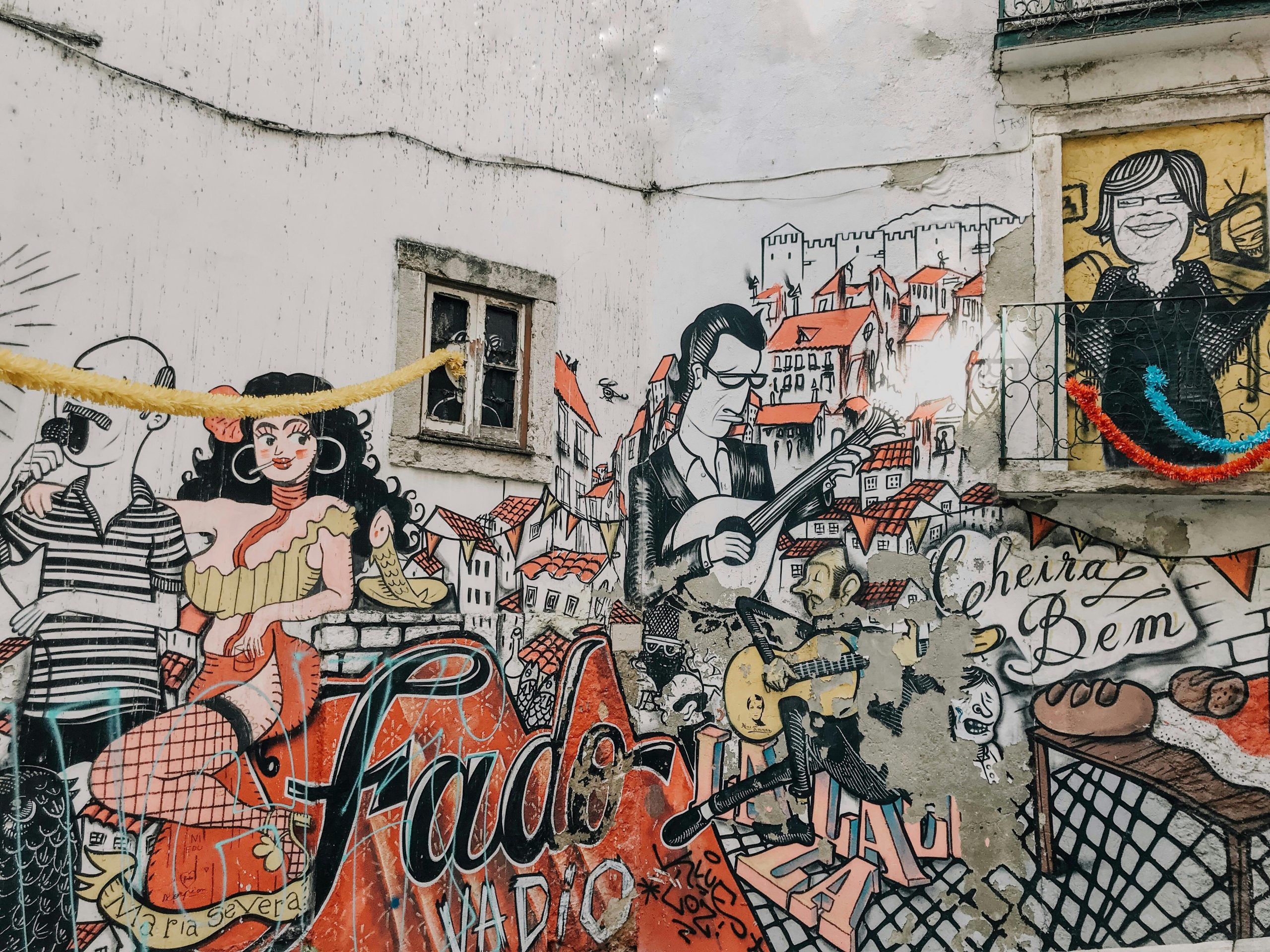
The beautiful sounds of Portuguese guitar and heartfelt singing fill Lisbon’s streets each night. This is Fado, Portugal’s famous music that tells stories of love, loss, and everyday life. UNESCO has recognized fado as an important cultural treasure, and it’s something you shouldn’t miss when visiting Lisbon.
In this guide, we’ll explore the best fado in lisbon where you can experience the soul-stirring power of fado performances, from elegant concert halls to intimate taverns where fado vadio (amateur fado) thrives. Whether you’re a longtime aficionado or discovering this traditional Portuguese music genre for the first time, Lisbon offers countless opportunities to be moved by the passionate expression that defines fado.
What is Fado? Understanding Portugal’s Soul Music
Before discussing the best venues, it’s worth understanding the rich tapestry of history behind fado music. Originating in the early 19th century, fado emerged from the taverns and streets of Lisbon’s poorest neighborhoods. The word “fado” derives from the Latin “fatum,” meaning fate or destiny, reflecting the music’s themes of resignation, longing (saudade), and the acceptance of life’s inevitable sorrows.
Traditional fado typically features a solo vocalist (fadista) accompanied by a Portuguese guitar and a classical guitar. Female fadistas often embrace the iconic look of a black shawl and blood-red lipstick, carrying on a tradition established by the greatest names in the genre, including the legendary Amália Rodrigues, known as the “Queen of Fado.”
Where to Experience the Best Fado in Lisbon
Lisbon has many places where you can hear great fado performances. Some venues are fancy restaurants where you’ll enjoy Portuguese food with your music, while others are simple neighborhood spots where locals gather to sing and listen.
The best fado experience depends on what you’re looking for – an elegant night out with dinner and professional performers or a more casual, authentic gathering where amateur singers might surprise you with their talent.
Clube de Fado: A Top Venue for Authentic Performances
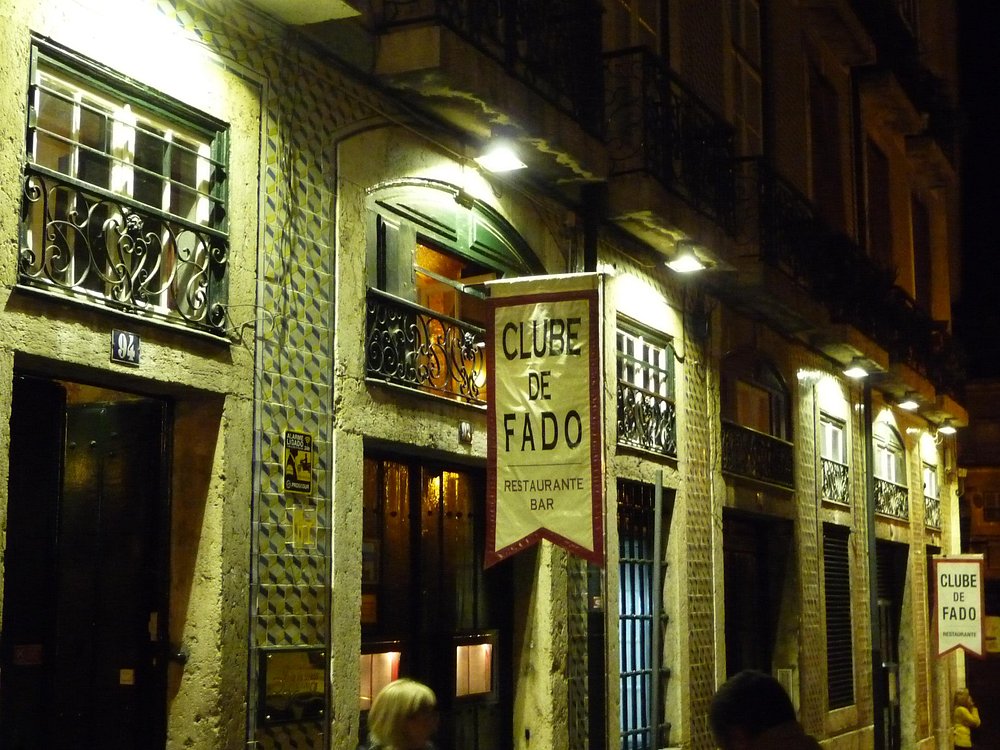
Located in the heart of Alfama neighborhood, Clube de Fado stands as one of the most respected fado houses in Lisbon. Founded by renowned guitarist Mário Pacheco, this historic venue has hosted countless legendary performances since its opening.
The atmospheric stone arches and candlelit tables create the perfect ambiance for an unforgettable evening of fado. Open Monday to Saturday, Clube de Fado features performances by both established fado stars and rising talents, often accompanied by Pacheco himself on the Portuguese guitar.
The venue offers a full dinner service featuring traditional Portuguese cuisine, though reservations are strongly recommended, especially during the high season. For many visitors, an evening at Clube de Fado represents the quintessential Lisbon experience, combining exquisite music with delicious food and the unique atmosphere of Alfama’s medieval streets.
Senhor Vinho: Elegant Fado in Upscale Surroundings
In the fancy Lapa neighborhood, Senhor Vinho offers one of the most refined fado experiences in Lisbon. Established by the renowned fadista Maria da Fé and her husband, journalist José Manuel Osório, this elegant venue has been a cornerstone of Lisbon’s fado scene for decades.
The intimate setting features tasteful decor that pays homage to Fado’s rich heritage, with photographs of legendary performers adorning the walls. Senhor Vinho is known for its excellent roster of performers, including regular appearances by Maria da Fé herself, Aldina Duarte, and other esteemed artists.
The venue’s commitment to quality extends to its menu, which features upscale interpretations of Portuguese classics perfectly paired with a selection of fine port wine. While prices are higher than at some other venues, the combination of superb performances and excellent cuisine makes Senhor Vinho worth the splurge for those seeking a premium fado experience.
O Faia: Historic Venue with Exceptional Performances
O Faia has been hosting fado performances since 1947, making it one of Lisbon’s longest-running fado venues. Located in the lively Bairro Alto district, this classic spot combines great music with delicious food.
The restaurant is known for featuring both established fado stars and rising talents in a comfortable, traditional setting. Each night includes several 20-minute fado sets between courses of your meal, giving you a full evening of entertainment.
Tasca do Chico: Local Favorite for Authentic Fado
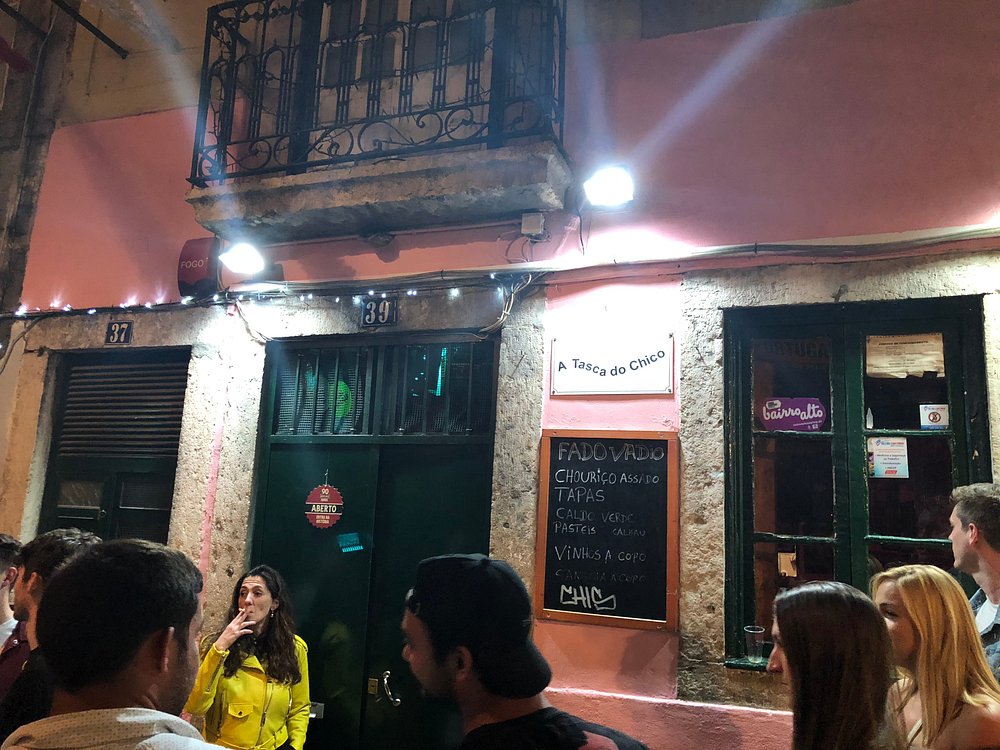
For a more casual and affordable fado experience, head to Tasca do Chico in either Bairro Alto or Alfama. This small, cozy tavern is where locals go for fado vadio – amateur fado nights where anyone with talent can perform. The walls are covered with photos, business cards, and memorabilia, creating a warm, lived-in atmosphere that feels worlds away from the more polished tourist venues.
The atmosphere at Tasca do Chico is lively and authentic, with performances starting around 9 PM. There’s no formal dinner service, just drinks and simple Portuguese tapas, making it perfect for travelers who want a more spontaneous, less touristy experience. Wednesday and Sunday nights are especially popular for their amateur fado sessions, where unexpected talents often shine.
Mesa de Frades: A Hidden Gem for Fado Lovers
Mesa de Frades is a tiny, hidden fado venue located in a former chapel in Alfama. With space for only about 40 people, this intimate setting creates an incredible atmosphere for experiencing fado up close.
The blue-tiled walls (traditional Portuguese azulejos) and candlelit tables make this venue particularly special. While they serve food, many visitors come after dinner just for the late-night fado sessions that often feature surprise appearances by well-known performers.
Reservations are essential at Mesa de Frades due to its small size and growing popularity. Look for the unmarked blue door on Rua dos Remédios – there’s no sign, adding to the feeling of discovering a secret spot that only insiders know about. When famous fadistas like Ana Moura or António Rocha make surprise appearances, you’ll understand why this hidden gem is treasured by fado aficionados.
Maria da Mouraria: Honoring Fado’s Roots
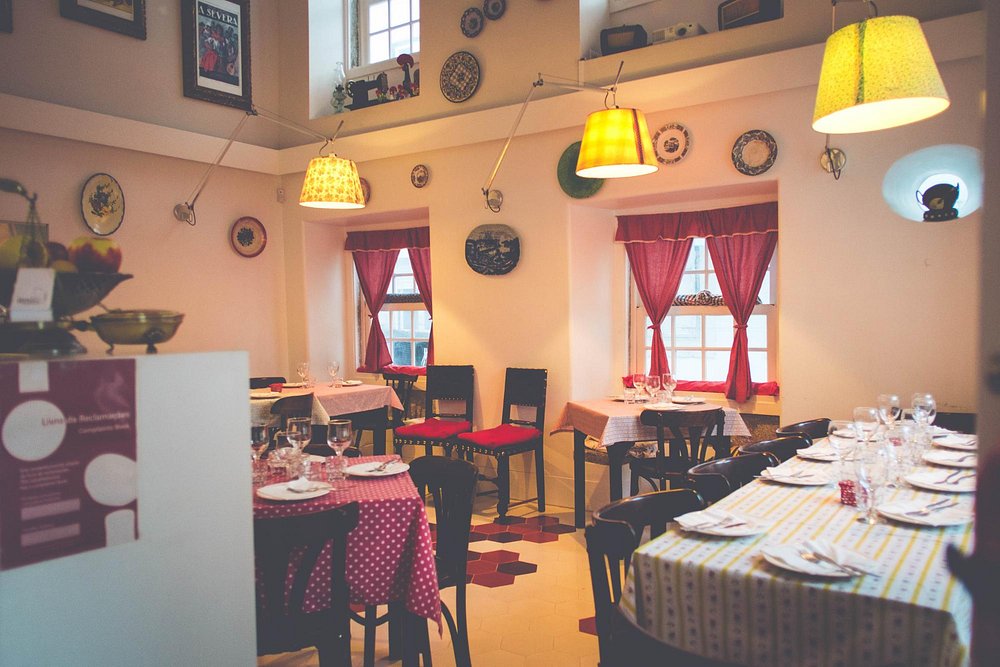
Named after Maria Severa, one of Fado’s earliest stars, this small venue in Mouraria pays homage to the birthplace of Fado music. The intimate space feels like being in someone’s living room rather than a commercial venue.
The performances at Maria da Mouraria are known for their authenticity and emotional power. The venue offers simple Portuguese food and is popular with knowledgeable fado fans, so reservations are essential despite its off-the-tourist-path location.
What makes this spot special is the regular presence of the owner and fadista Maria da Fé, who occasionally performs and always ensures the highest quality fado experience. Business travelers will appreciate bringing clients here to experience something truly authentic, while vacationers will find the prices more reasonable than at larger fado houses. Visit Wednesday to Sunday, with performances typically starting after 9:30 PM.
Affordable Fado Experiences in Lisbon
Not all great fado require an expensive dinner. If you’re traveling on a budget or prefer to focus on just the music, several options exist. Tasca do Jaime in Graça hosts amateur fado sessions that locals love, particularly on weekends.
Another option is “Fado in Chiado,” a daily show at the Diario de Noticias building that presents professional fado without a full meal service. These performances start at 7 PM, allowing you to enjoy dinner elsewhere afterward.
The Fado Museum: Learning About Fado’s History
For travelers interested in gaining deeper knowledge about fado, the Fado Museum (Museu do Fado) in Alfama offers fascinating exhibits on the history and cultural significance of this music genre.
The museum features audio recordings, instruments, costumes, and memorabilia from famous fadistas like Amália Rodrigues, Carlos do Carmo, and others. It’s worth visiting before attending a live performance to better appreciate what you’ll be experiencing.
What to Expect at a Fado Performance
Traditional fado houses generally serve dinner from around 8 PM, with music starting between 9 and 10 PM. Most venues present several sets of fado throughout the evening, with 2-3 different performers each singing a few songs.
When the music begins, the lights dim, conversations stop, and everyone gives their full attention to the fadista. This respectful silence is part of fado tradition – photos may be permitted, but always without flash, and recording is usually prohibited.
Pairing Fado with Portuguese Food and Wine
Most fado houses serve traditional Portuguese cuisine, giving you a complete cultural experience. Popular dishes include bacalhau (salt cod), grilled sardines, and carne de porco à Alentejana (pork with clams).
A glass of Portuguese wine perfectly complements both the food and the music. Try a red from the Douro or Alentejo regions, or enjoy a small glass of port wine after your meal while listening to the evening’s final fado performances.
Tips for First-Time Fado Visitors
Reservations are strongly recommended for most fado houses, especially if you’re visiting during the high season (summer months) or on weekends. Many venues also have minimum charges or fixed-price menus that include both food and entertainment.
Dress code varies by venue – places like Senhor Vinho tend to be more formal, while taverns like Tasca do Chico are casual. Arrive on time for dinner if that’s included, but know that the fado itself likely won’t begin until later in the evening.
Planning Your Fado Experience in Lisbon
If you have just one night to experience fado in Lisbon, choose based on your priorities. For top-quality performances and excellent food in elegant surroundings, book at Clube de Fado or Senhor Vinho. For a more authentic, local experience, try Tasca do Chico or Maria da Mouraria.
Business travelers with clients should consider the more upscale venues, while vacation travelers might enjoy the variety of options depending on their budget and interests. Whatever you choose, experiencing the emotional power of fado will likely become one of your most treasured memories of Portugal.
The Best Fado Houses by Neighborhood
Each of Lisbon’s historic neighborhoods offers a different fado experience. Understanding the character of these districts can help you choose the perfect venue for your mood and interests. From the medieval streets of Alfama to the bustling nightlife of Bairro Alto, here’s what you can expect in Lisbon’s prime fado locations.
Alfama
The Alfama neighborhood offers some of Lisbon’s most authentic fado experiences. Besides the already mentioned Clube de Fado and Mesa de Frades, Casa de Linhares provides elegant fado performances in an 18th century palace setting.
For a more spontaneous experience, wander Alfama’s narrow streets in the evening and follow the music to small taverns like Tasca do Jaime, where locals gather for amateur fado sessions. The steep, cobblestone streets of this historic district create the perfect backdrop for fado’s emotional stories, as this is where the musical tradition first took root over two centuries ago.
Bairro Alto
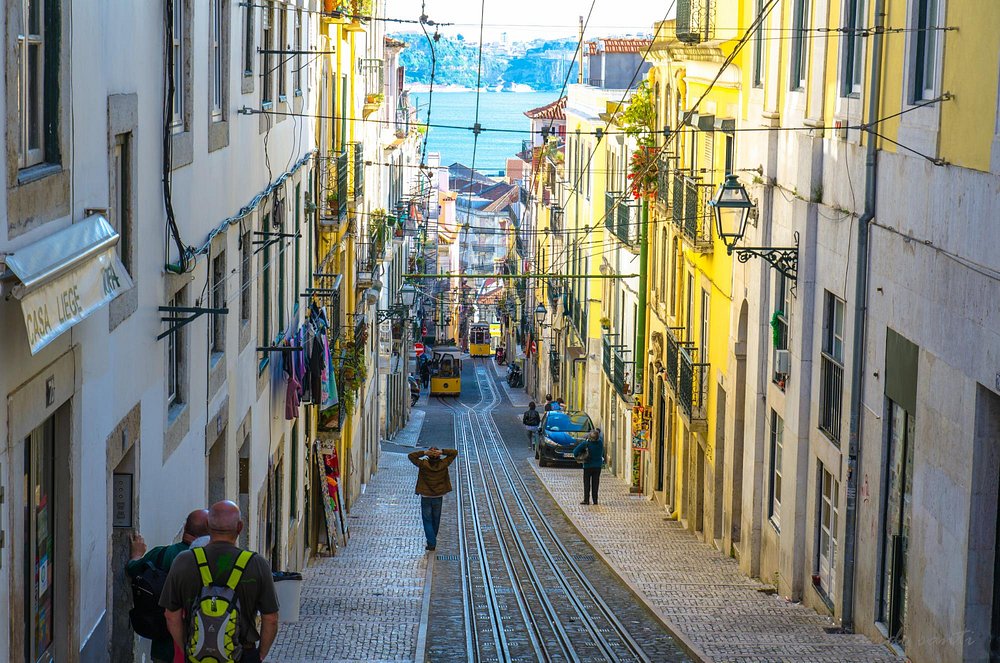
Bairro Alto is home to several excellent fado venues, including O Faia and Café Luso, another historic establishment. This lively district is perfect for continuing your night out after a fado performance.
The contrast between Bairro Alto’s energetic nightlife and the soul-stirring melancholy of fado creates a uniquely Lisbon experience. After your fado dinner, which typically ends around 11 p.m., you’ll find the surrounding streets transformed into a vibrant open-air gathering of bars and restaurants where you can discuss the performances you’ve just witnessed while enjoying a glass of port wine or ginjinha, Lisbon’s famous cherry liqueur.
Conclusion: The Timeless Appeal of Fado in Lisbon
Experiencing fado in Lisbon connects you to the heart and soul of Portuguese culture. Whether you choose an elegant fado house or a humble neighborhood tavern, the emotional power of this music transcends language barriers.
From business dinners to vacation splurges, a night of fado offers something uniquely Portuguese that will stay with you long after your return home. The mournful guitar, the passionate vocals, and the respectful silence of the audience create an atmosphere found nowhere else in the world.
Leave a Reply to What to Do in Portugal for a Week – A Comprehensive Travel Itinerary – Year Round Portugal Cancel reply